
Choosing the right elevator for a home or low-rise building involves more than comparing prices. The drive system affects how the elevator operates, how much space it requires, its lifting height, energy consumption, noise level, maintenance requirements, and overall suitability for residential use.
Two options that may be considered for low-rise residential applications are hydraulic elevators and forced-drive elevators. Although both can provide vertical transportation without the traditional counterweight arrangement found in many traction elevators, their operating principles are very different.
A hydraulic elevator uses a hydraulic pump and cylinder to move the elevator car, while a forced-drive elevator uses an electric motor and winding mechanism to move the car through steel ropes.
So, which one is better for a home elevator?
The answer depends on factors such as the number of floors, lifting height, available shaft space, required speed, expected usage, local regulations, installation conditions, and long-term maintenance requirements.
This guide explains the differences between hydraulic and forced-drive elevators and provides practical information to help you choose the right residential elevator solution.
What Is a Hydraulic Elevator?
A hydraulic elevator uses hydraulic pressure to move the elevator car. An electric motor drives a hydraulic pump, which pushes hydraulic fluid into a cylinder. The resulting pressure moves a piston connected to the elevator car.
The basic operating principle can be simplified as:
Electric motor → Hydraulic pump → Hydraulic fluid → Cylinder → Elevator car
When the elevator travels upward, the pump sends hydraulic fluid into the cylinder. When the elevator travels downward, the hydraulic fluid is released through a control valve, allowing the car to descend at a controlled speed.
Hydraulic elevator systems are commonly associated with low-rise applications because their travel height and speed are generally more limited than those of conventional traction systems.
Main Components of a Hydraulic Elevator
A typical hydraulic elevator system may include:
Hydraulic pump
Electric motor
Hydraulic cylinder and piston
Hydraulic valves
Oil reservoir
Controller
Elevator car
Guide rails
Safety devices
Landing and car doors
Depending on the design, hydraulic equipment can be installed in a flexible location and connected to the cylinder through hydraulic piping.
What Is a Forced-Drive Elevator?
A forced-drive elevator, also known as a winding-drum elevator in some applications, uses an electric motor and winding mechanism to move the elevator car.
Instead of using hydraulic pressure, the motor turns a drum or winch. Steel ropes connected to the elevator car are wound onto the drum to raise the car and unwound to allow it to descend.
The basic principle is:
Electric motor → Gearbox/winch → Winding drum → Steel ropes → Elevator car
One characteristic of this type of system is that the elevator car can be moved without the conventional counterweight arrangement used by many traction elevators.
Forced-drive systems can offer a relatively compact elevator configuration, which can be useful where shaft space is limited. However, the design of the rope suspension, winding drum, braking system, safety gear, and control system is critical to overall performance and safety.
Hydraulic Elevator vs. Forced Drive Elevator: Key Differences
The following table provides a quick comparison of the two technologies.
| Feature | Hydraulic Elevator | Forced-Drive Elevator |
|---|---|---|
| Driving method | Hydraulic pump and cylinder | Electric motor and winding drum |
| Counterweight | Usually not required | Usually not required |
| Main lifting component | Hydraulic cylinder | Steel ropes and winding drum |
| Typical application | Low-rise residential and other suitable buildings | Low-rise residential applications, depending on design |
| Travel height | Generally limited compared with traction systems | Limited by rope and drum configuration |
| Speed | Generally low to moderate | Generally low to moderate |
| Energy consumption | Depends on pump, motor, load and usage | Depends on motor, gearbox, load and usage |
| Noise | Pump and motor noise may be noticeable | Motor, gearbox and drum noise may be noticeable |
| Maintenance | Pump, valves, seals, hydraulic fluid and cylinder | Ropes, drum, motor, gearbox, brake and safety components |
| Space requirements | Requires space for hydraulic equipment and cylinder | Requires space for winch/drum and related equipment |
| Installation | Flexible for many low-rise applications | Compact configuration may simplify certain installations |
| Residential suitability | Suitable for many low-rise homes | Can be suitable when properly designed and code-compliant |
No elevator technology is automatically the best in every building. The right choice should be based on the complete elevator design rather than the drive method alone.
Hydraulic vs. Forced Drive: Which Is Safer?
Safety is one of the most important considerations when selecting a home elevator.
It is not accurate to determine elevator safety simply by saying that one drive technology is inherently safe while another is inherently unsafe. A complete elevator system relies on multiple safety components and must be designed, manufactured, installed, tested, and maintained according to the applicable requirements.
Hydraulic Elevator Safety
A hydraulic elevator may incorporate safety features such as:
Controlled hydraulic descent
Emergency lowering systems
Hydraulic safety valves
Door interlocks
Mechanical safety devices
Limit switches
Emergency stop systems
Overload protection
The actual safety configuration depends on the elevator design and the applicable regulations.
Forced-Drive Elevator Safety
Forced-drive elevators require particular attention to the complete rope and winch system. Important components may include:
Steel ropes
Winding drum
Motor brake
Safety gear
Guide rails
Overspeed protection
Door interlocks
Limit switches
Emergency stop systems
Rope inspection and maintenance
The condition of the ropes, brake, drum, and other safety components should be regularly inspected according to the manufacturer's maintenance requirements and applicable elevator regulations.
The key point is that safety depends on the entire elevator system, not simply whether it is hydraulic or forced-drive.
When comparing suppliers, buyers should ask for information about the elevator's safety devices, applicable certifications, installation requirements, inspection procedures, and maintenance schedule.
Which Uses Less Energy: Hydraulic or Forced Drive?
Energy consumption is more complicated than simply comparing the names of the two drive systems.
A hydraulic elevator uses an electric motor to power a pump during upward travel. Its energy consumption depends on factors such as:
Rated load
Travel height
Elevator speed
Motor and pump efficiency
Hydraulic system design
Passenger load
Number of daily trips
A forced-drive elevator uses an electric motor and winding mechanism to lift the car directly. Because it generally does not use a counterweight, the motor may need to lift the elevator car and passenger load directly.
However, actual energy consumption varies considerably between individual elevator designs.
Therefore, claims that one system always uses a specific number of times more electricity than another should be treated cautiously.
For a meaningful comparison, buyers should compare the rated motor power, expected electricity consumption, duty cycle, travel height, speed, and expected daily usage of the actual elevator models.
Which Is Quieter?
Noise is another important consideration for residential elevators, particularly when the elevator is installed close to bedrooms or living areas.
Hydraulic Elevator Noise
Potential noise sources include:
Electric motor
Hydraulic pump
Hydraulic fluid flow
Vibration
Equipment mounting
Proper equipment placement and vibration isolation can help reduce perceived noise.
Forced-Drive Elevator Noise
Potential noise sources include:
Electric motor
Gearbox
Winding drum
Bearings
Steel ropes
Mechanical vibration
Because a winding-drum system may use a gearbox and mechanical drive components, noise can be noticeable depending on the equipment and installation.
In practice, installation quality can be almost as important as drive technology when it comes to the noise experienced by people inside a home.
Which Requires Less Maintenance?
Both systems require regular maintenance. However, the components that require attention are different.
Hydraulic Elevator Maintenance
Typical maintenance items include:
Hydraulic oil
Oil level and condition
Hydraulic pump
Valves
Seals
Cylinder
Hydraulic piping and connections
Electrical components
Door and safety systems
Hydraulic systems should also be checked for leaks and abnormal operating conditions.
Forced-Drive Elevator Maintenance
Typical maintenance items include:
Steel ropes
Winding drum
Motor
Gearbox
Brake
Bearings
Guide components
Electrical controls
Safety gear
Door and interlock systems
Rope condition is particularly important for winding-drum systems.
The best elevator is not necessarily the one that requires the fewest maintenance tasks. A better approach is to consider maintenance frequency, availability of spare parts, service response, technician availability, and total ownership cost.
Which Has a Higher Lifting Height?
Both hydraulic and forced-drive elevators have practical limitations when compared with many traction elevator systems.
Hydraulic Elevator
Hydraulic elevators are generally well suited to low-rise buildings, but travel height and speed can be limited by the hydraulic cylinder configuration, system design, and building requirements.
For a home with two or three levels, these limitations may not be significant.
Forced-Drive Elevator
A winding-drum system has a different limitation. As the elevator travels higher, more rope must be wound onto the drum. The required drum dimensions and rope arrangement can therefore become a significant consideration.
This makes forced-drive systems more suitable for certain low-rise applications rather than very tall buildings.
Which Requires Less Space?
Space is often one of the most important considerations in a residential elevator project.
A home elevator may need to accommodate:
Elevator shaft
Guide rails
Elevator car
Doors
Drive equipment
Hydraulic equipment or winch
Pit
Overhead clearance
Electrical equipment
Hydraulic and forced-drive systems can both be designed without the traditional machine-room arrangement associated with some conventional elevator installations. However, this does not mean that either system requires no equipment space.
The actual requirements depend on the specific elevator design.
Before selecting a system, homeowners should obtain the manufacturer's required:
Shaft dimensions
Pit depth
Overhead height
Door opening dimensions
Equipment dimensions
Power supply requirements
Structural requirements
Hydraulic vs. Forced Drive: Installation Considerations
Installation requirements can vary substantially between elevator models.
A hydraulic elevator may require space for the hydraulic cylinder, pump unit, reservoir, piping, and related components.
A forced-drive elevator requires appropriate space for the motor, gearbox, winding drum, ropes, brake, and associated safety components.
For an existing house, the best choice may depend more on the available building structure than on general advantages listed in a product brochure.
Before installation, the elevator supplier should evaluate the building and confirm:
Available shaft space
Number of floors
Total travel height
Pit conditions
Overhead space
Structural requirements
Electrical supply
Door configuration
Required load capacity
Applicable local codes and approvals
Hydraulic vs. Forced Drive: Cost Considerations
The purchase price is only one part of the total cost of an elevator.
A better comparison includes:
Initial equipment cost + installation cost + electrical consumption + maintenance + replacement parts + service costs
Hydraulic elevators may have relatively straightforward equipment configurations for certain low-rise applications. Forced-drive elevators can also offer a compact configuration, but their cost depends on the motor, gearbox, winding drum, ropes, safety equipment, controls, and installation.
Instead of asking only:
Which elevator is cheaper?
homeowners should ask:
Which elevator provides the best total value for my building and expected usage?
This approach provides a more realistic basis for comparing elevator systems.
Hydraulic vs. Forced Drive vs. Traction Elevator
Hydraulic and forced-drive systems are not the only choices for residential elevators. Traction elevators are another important option.
| Feature | Hydraulic | Forced Drive | Traction |
|---|---|---|---|
| Main drive | Hydraulic cylinder | Winding drum and ropes | Motor and traction sheave |
| Counterweight | Usually no | Usually no | Often yes |
| Typical application | Low-rise applications | Low-rise applications | Residential and commercial applications |
| Travel capability | Generally limited | Generally limited | Generally suitable for greater travel |
| Energy efficiency | Depends on design | Depends on design and loading | Often benefits from counterweight |
| Space requirements | Depends on cylinder and equipment | Depends on drum and equipment | Depends on machine and counterweight arrangement |
| Speed range | Generally lower | Generally lower | Wider range available |
| Residential use | Common option | Possible depending on system | Common option |
This comparison shows why the “best” elevator cannot be selected based on a single specification.
Which Is Better for a Home Elevator?
For a low-rise private residence, a hydraulic elevator can be a practical solution when the required travel height and speed are within the capabilities of the system.
A hydraulic elevator may be worth considering when:
The building has two or three levels
Elevator speed requirements are moderate
The required travel height is relatively low
A hydraulic equipment location can be accommodated
The system meets applicable local requirements
The homeowner values a proven low-rise elevator configuration
A forced-drive elevator may be worth considering when:
Shaft space is limited
A compact winding-drum configuration is advantageous
Travel height is relatively low
The required capacity and speed are compatible with the system
Appropriate safety systems are incorporated
The elevator meets applicable local regulations
Ultimately, the best choice should be determined by the building conditions and the complete elevator specification rather than by drive technology alone.
How to Choose the Right Residential Elevator
If you are planning a home elevator, start with the building rather than the elevator model.
1. Determine the number of floors
A two-story home has different requirements from a three- or four-story building.
2. Measure the available shaft
Measure the available width, depth, pit and overhead space before selecting an elevator.
3. Determine the lifting height
Total travel height is one of the most important factors in determining the appropriate drive system.
4. Determine the required capacity
Consider how many people will use the elevator and whether wheelchairs, luggage, or other items need to be transported.
5. Determine the required speed
Residential elevators normally have different speed requirements from commercial passenger elevators.
6. Consider noise
If the elevator is close to bedrooms or living spaces, drive equipment placement and vibration control should be considered early.
7. Compare long-term maintenance
Ask about maintenance intervals, spare parts, warranty coverage, and after-sales service.
8. Check local regulations
Elevator requirements vary by country, state, province, and building type. Always confirm the applicable requirements before purchasing or installing an elevator.
9. Compare the complete quotation
The quotation should clearly identify:
Elevator type
Rated capacity
Rated speed
Travel height
Shaft dimensions
Pit requirements
Overhead requirements
Motor power
Safety devices
Door configuration
Installation scope
Warranty
Maintenance and service
Why Choose Tuhe Lift?
Tuhe Lift was established in 2012 by six senior engineers and is located in Jiyang, known as the “Hometown of China's Lifting Platform Manufacturing.”
With more than 300 employees, three production workshops, an exhibition hall, and a network of 20 distributors, Tuhe Lift develops and manufactures a broad range of lifting equipment.
Our product portfolio includes six major series and approximately 50 varieties, including:
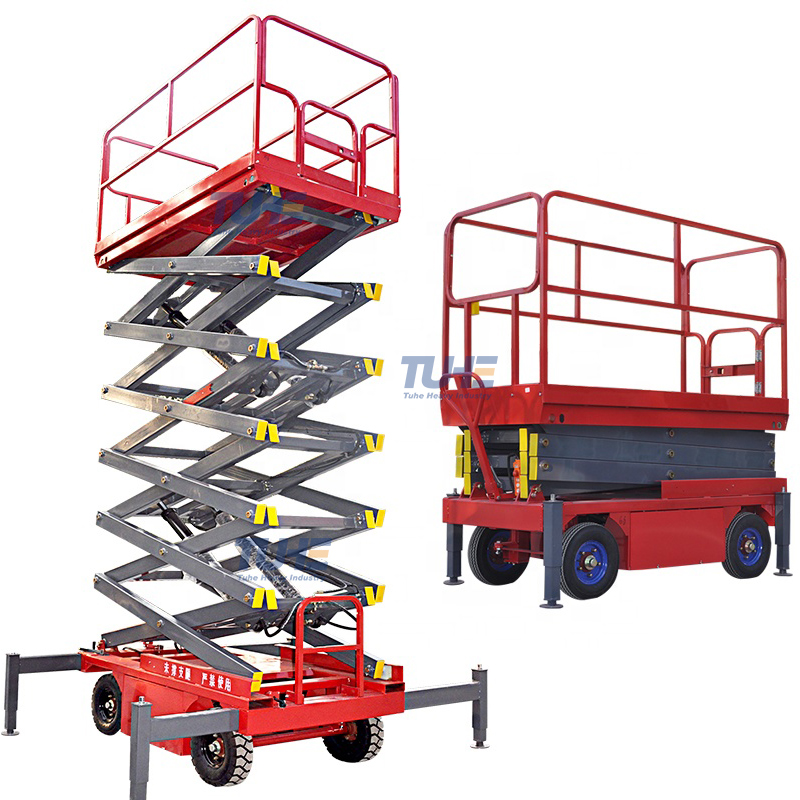
Scissor lifts
Mast lifts
Articulated boom lifts
Cargo lifts
Home lifts
Other customized lifting solutions
For residential elevator projects, our focus is on providing practical, safe, and efficient equipment according to the customer's building conditions and requirements.
Tuhe Lift also provides OEM and customized services, allowing elevator solutions to be adapted to different applications and project requirements.
Our international certifications include CE and SGS, supporting our cooperation with customers in markets including the United States, Australia, Germany, Algeria, Peru, and other countries.
One-Stop Service for Elevator Projects
We understand that purchasing an elevator involves more than choosing a product.
Tuhe Lift provides:
1-day design solution
7×24 online service
7-day delivery
1-year warranty
Customized equipment
OEM service
One-stop project support
Our goal is to help customers reduce communication time and simplify the process from product selection to delivery.
Frequently Asked Questions
What is the main difference between a hydraulic elevator and a forced-drive elevator?
A hydraulic elevator uses hydraulic pressure generated by a pump and cylinder to move the car. A forced-drive elevator uses an electric motor and winding drum to move the car through steel ropes.
Is a hydraulic elevator safer than a forced-drive elevator?
Safety depends on the complete elevator design, safety components, installation, inspection, and maintenance. Neither system should be considered safe or unsafe based only on its drive method.
Which is more energy efficient, hydraulic or forced drive?
There is no universal answer. Energy consumption depends on the elevator's load, travel height, speed, motor efficiency, usage frequency, and system design. The actual specifications should be compared rather than relying on a general multiplier.
Which elevator is quieter?
Both can be designed for residential use, but their noise sources are different. Hydraulic systems may produce pump and motor noise, while forced-drive systems may produce motor, gearbox, and drum noise. Equipment installation and vibration isolation also have a major influence.
Which elevator requires less maintenance?
Both require regular maintenance. Hydraulic systems require attention to pumps, valves, oil, seals, and cylinders, while forced-drive systems require inspection of ropes, drums, motors, gearboxes, brakes, and safety components.
Is a hydraulic elevator suitable for a two-story house?
A hydraulic elevator can be a practical option for many two-story homes, particularly when the required travel height and speed are moderate. However, the final selection should be based on the building layout and applicable local requirements.
Is a forced-drive elevator suitable for residential use?
A properly designed and compliant forced-drive elevator can be used for certain residential applications. The suitability depends on the specific design, travel height, capacity, shaft conditions, safety equipment, and local regulations.
Does a hydraulic elevator need a machine room?
Not necessarily. Some modern hydraulic elevator configurations can be designed without a conventional machine room. However, hydraulic equipment still requires appropriate space, and the exact requirements depend on the elevator model.
Does a forced-drive elevator use a counterweight?
A typical winding-drum forced-drive configuration does not use the conventional counterweight arrangement found in many traction elevators.
Conclusion
Hydraulic and forced-drive elevators use fundamentally different technologies, and each has advantages and limitations.
A hydraulic elevator uses a pump and cylinder and can be a practical solution for many low-rise residential applications. A forced-drive elevator uses a motor, winding mechanism, and steel ropes and can provide a compact configuration for certain low-rise projects.
The best choice depends on more than the drive system. Travel height, shaft dimensions, capacity, speed, energy consumption, noise, maintenance, installation conditions, safety equipment, and local regulations should all be considered.
If you are planning a residential elevator project, Tuhe Lift can provide a customized solution based on your building requirements. With in-house manufacturing, experienced engineers, OEM capabilities, international market experience, and one-stop service, we aim to provide reliable and cost-effective lifting solutions for customers worldwide. Feel free to contact us.
For a customized recommendation, provide the number of floors, lifting height, shaft dimensions, required capacity, and installation location. These details can be used to determine the most appropriate elevator configuration for your project.


222.webp)
660.webp)
503.webp)