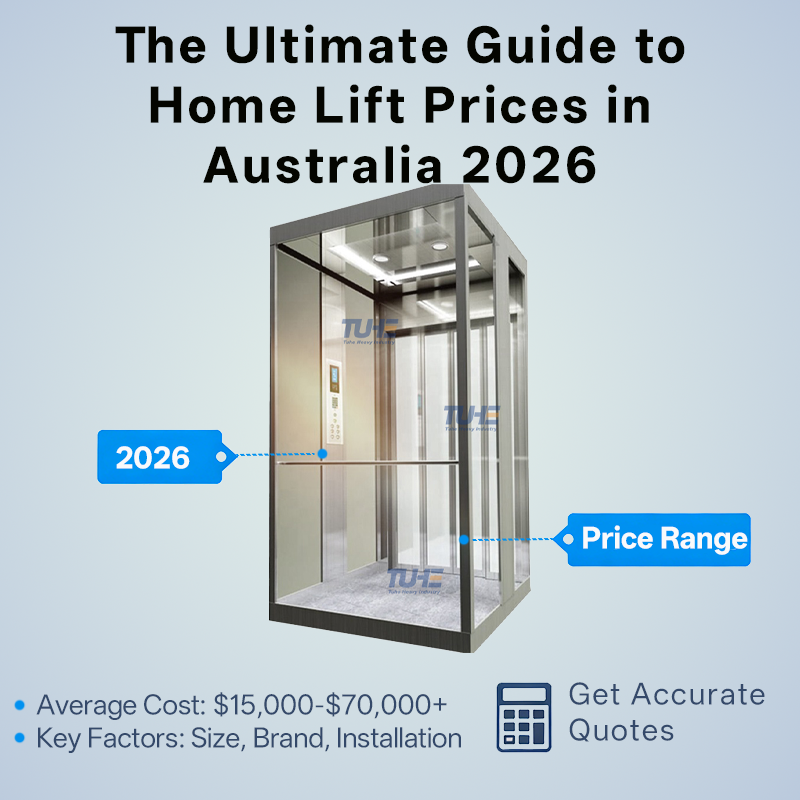
The dream of aging in place or adding a touch of luxury and accessibility to a multi-story Australian home has never been more popular. As the population ages and the desire for barrier-free living grows, the demand for residential elevators—commonly known as home lifts—has surged across Sydney, Melbourne, Brisbane, Perth, and beyond. However, for many homeowners, the biggest hurdle isn't just the initial home lift prices in Australia; it is understanding the full lifecycle of ownership, from complex installation standards to long-term maintenance.
In 2026, the market has evolved significantly due to supply chain stabilizations, new energy efficiency standards, and the influx of high-quality international manufacturers. This comprehensive guide will dissect everything you need to know: realistic cost breakdowns, critical installation requirements under Australian standards, maintenance realities, and a step-by-step buying guide to ensure you get the best value.
Part 1: Understanding the Factors Influencing Home Lift Prices
Before diving into specific numbers, it is crucial to understand that there is no single "sticker price" for a home lift. The final cost is a composite of several variables. In the Australian market, the following factors play the most significant role:
1. Type of Drive System
The mechanism that moves the lift is the primary cost driver.
Hydraulic Lifts: Traditionally common, these use a piston and fluid system. They are robust but often require a dedicated machine room and more maintenance. View Related Products: Custom home elevator hydraulic platform lift for home
Traction (Cable) Lifts: Energy-efficient and fast, but usually require a deeper pit and overhead clearance. View Related Products: Competitive traction elevator for sale
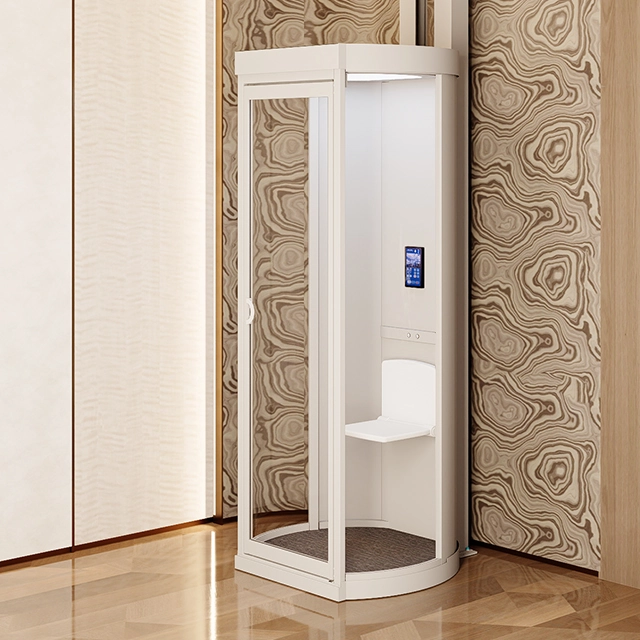
Screw-Driven Lifts: Gaining massive popularity in 2025-2026, these are compact, require no machine room, and offer an excellent balance of price and performance.
Vacuum (Pneumatic) Lifts: Known for their sleek, glass-tube aesthetic. While visually stunning, they often carry a premium price tag.
2. Number of Stops and Travel Height
Naturally, a lift traveling from the ground floor to the second floor will cost less than one serving three or four levels. Each additional stop requires more structural reinforcement, longer shafts, and complex wiring.
3. Customization and Aesthetics
Australian homeowners love personalization. Do you want a standard powder-coated steel cabin, or a bespoke design with tempered glass walls, hardwood flooring, and custom LED lighting? High-end finishes can increase the price by 30% to 50%.
4. Installation Complexity
Australia's diverse housing stock—from heritage-listed Victorian terraces in Melbourne to modern duplexes in Queensland—means installation challenges vary. Structural modifications, concrete pouring for a pit, or electrical upgrades can significantly add to the final bill.
Part 2: 2026 Market Analysis – Current Price Ranges
Based on recent market data and industry trends in early 2026, here is a realistic breakdown of what Australian consumers can expect to pay.
Estimated Cost Table by Lift Type (Australia 2026)
Note: Prices are estimates in Australian Dollars (AUD) for a standard 2-stop configuration. They include equipment and basic installation but exclude major civil works, luxury customization, or GST.
| Lift Type | Estimated Price Range (AUD) | Best For | Key Advantages | Potential Drawbacks |
|---|---|---|---|---|
| Platform Lifts | $15,000 – $25,000 | Short rises (1-2 steps), wheelchair access. | • Lowest upfront cost • Minimal construction required • Quick installation | • Slower speed • Less aesthetic appeal • Not a fully enclosed elevator experience |
| Screw-Driven Home Lifts | $28,000 – $45,000 | Modern homes, retrofits, spaces without machine rooms. | • No machine room needed • Extremely safe (no risk of free-fall) • Compact footprint • Energy efficient | • Moderate speed • Slight mechanical noise (reduced in 2026 models) |
| Hydraulic Home Lifts | $35,000 – $55,000 | Heavy-duty usage, larger cabins, high-frequency traffic. | • Very smooth ride quality • High weight capacity • Proven, mature technology | • Often requires a dedicated machine room or deeper pit • Higher long-term maintenance costs • Risk of hydraulic oil leaks |
| Traction (MRL) Lifts | $40,000 – $60,000+ | Multi-story homes (3+ floors), high-traffic families. | • Fastest travel speed • Highly energy efficient • Quiet operation | • Requires significant overhead space (headroom) • Complex installation process • Strict shaft dimension requirements |
| Pneumatic (Vacuum) Lifts | $45,000 – $70,000+ | Luxury aesthetics, panoramic views, minimal footprint designs. | • Stunning futuristic design • Almost zero footprint • No pit or machine room required | • Premium price point • Limited weight capacity (usually 1-2 people) • Dependent on air pressure stability |
Part 3: Critical Installation Requirements & Australian Standards (AS 1735)
One of the most overlooked aspects of buying a home lift in Australia is the strict regulatory environment. Unlike furniture, a home lift is a piece of heavy machinery that must comply with rigorous safety codes. Ignoring these requirements can lead to failed inspections, voided insurance, and safety hazards.
The AS 1735 Standard
In Australia, all lift installations must comply with the AS 1735 series (Lifts, escalators, and moving walks). Specifically, AS 1735.1 covers general safety rules, while parts like AS 1735.11 address fire-rated landing doors. In 2026, compliance is stricter than ever, with a focus on emergency braking systems and fire safety integration.
Key Physical Requirements
Before you purchase, you must assess your home's physical capability to host a lift:
Headroom (Overhead Clearance):
Traction Lifts: Typically require 2.4m to 2.6m of clear space above the top floor landing to accommodate the motor and counterweights.
Screw-Driven & Hydraulic: Often require less, sometimes as little as 2.2m, depending on the model. Some "low headroom" models are available for attic conversions.
Pneumatic Lifts: Require virtually no traditional headroom as the tube extends above the top floor, but this external extension must be accounted for in roof designs.
Pit Depth:
Most lifts require a pit (a hole in the floor) for the mechanism to descend into.
Standard Pit: Usually 150mm to 300mm deep.
Zero-Pit Options: Some modern screw-driven and platform lifts can be installed with a ramp instead of a pit (raising the lift 100-150mm off the floor), which is ideal for homes where digging into the concrete slab is impossible or too expensive.
Structural Load Bearing:
The floor supporting the lift (especially the bottom pit area) must be able to bear the dynamic load of the lift plus passengers (often totaling 500kg to 800kg concentrated load). Older timber-framed Australian homes may require steel beam reinforcement, adding $3,000–$8,000 to the project.
Electrical Supply:
Most home lifts run on standard single-phase power (240V), similar to a clothes dryer or oven.
Larger traction or hydraulic units may require 3-phase power (415V). If your home doesn't have this, upgrading your switchboard with the local distributor (e.g., Ausgrid, United Energy) can be a lengthy and costly process.
Pro Tip: Always engage a certified structural engineer and a licensed electrician before signing a contract. A reputable supplier like Tuhe Lift will request your floor plans early to identify these potential hurdles during the design phase.
Part 4: Maintenance, Safety, and Long-Term Ownership Costs
Buying the lift is just the beginning. To ensure safety and longevity, regular maintenance is mandatory. In Australia, neglecting maintenance can not only void your warranty but also make your home insurance invalid in the event of an accident.
Annual Maintenance Costs
Expect to pay between $400 and $800 AUD per year for a certified service visit. This typically includes:
Lubrication of moving parts (chains, screws, or hydraulic pistons).
Testing of safety gears, emergency brakes, and door sensors.
Inspection of electrical connections and backup batteries.
Verification of compliance with AS 1735 standards.
Safety Features to Look For
When comparing home lift prices in Australia, ensure the model includes these non-negotiable safety features:
ARD (Automatic Rescue Device): In case of a power outage, the lift should automatically move to the nearest floor and open the doors using battery power.
Safety Gear: A mechanical device that grips the guide rails if the lift descends too quickly, preventing a free fall.
Emergency Alarm & Phone: A direct line to emergency services or a 24/7 monitoring center.
Door Interlocks: The lift cannot move unless the doors are fully closed and locked.
Lifespan Expectations
Hydraulic Lifts: 20–25 years (with regular oil changes and seal replacements).
Traction Lifts: 25–30+ years (very durable with fewer fluid components).
Screw-Driven Lifts: 20–25 years (robust mechanical design).
Pneumatic Lifts: 15–20 years (dependent on the integrity of the tube and seals).
Investing in a high-quality brand with accessible spare parts is crucial. Cheaper, uncertified imports may become "orphaned" units if the manufacturer disappears, leaving you with a lift you cannot repair.
Part 5: Step-by-Step Buying Guide for Australian Homeowners
Navigating the market can be overwhelming. Follow this 5-step process to secure the best deal and avoid pitfalls.
Step 1: Define Your Needs & Budget
How many floors?
Who is using it? (Wheelchair users need larger cabins and lower thresholds).
What is your total budget including civil works? (Add 20% contingency to the base lift price).
Step 2: Measure Your Space
Measure the available shaft width and depth.
Check ceiling heights on all floors.
Identify where the power supply is located.
Step 3: Request Detailed Quotes (Not Just Base Prices)
Ask for a breakdown: Equipment, Installation, Civil Works, Electrical, and GST.
Verify certifications: Does it have CE (European) or SGS certification? Does it comply with AS 1735?
Compare warranties: Look for at least 1 year on parts and labor.
Step 4: Check References and After-Sales Support
Ask the supplier for references from recent Australian installations.
Confirm their response time for emergencies. Do they have local technicians, or do they fly someone in from overseas? (Local support is vital).
Step 5: Finalize and Schedule
Once selected, coordinate the delivery date with your builder or renovator.
Ensure the site is prepared (pit dug, power ready) before the lift arrives to avoid storage fees.
If you would like to learn about some elevator brands, please check out this article: The best 10 home elevator brands
Conclusion: Making the Right Choice for Your Home
Navigating home lift prices in Australia in 2026 requires a blend of market knowledge, technical understanding, and strategic sourcing. Whether you are looking for a simple platform lift for wheelchair access or a luxurious glass elevator to serve as a centerpiece in your home, understanding the full scope—from installation constraints to maintenance commitments—empowers you to make an informed decision.
The market is more competitive than ever, offering opportunities to secure high-quality, safe, and aesthetically pleasing lifts at reasonable prices. The key is to partner with a manufacturer that prioritizes safety, offers transparent pricing, and stands behind their product with robust service commitments. You don't need to pay a premium for big brand names when world-class engineering is available directly from specialized factories.
Recommended Partner: Tuhe Lift – Your Global Standard in Home Elevators
If you are seeking a partner that embodies the perfect balance of quality, affordability, and service for your home lift project, look no further than Tuhe Lift.
Why Choose Tuhe Lift?
Established in 2012 by a team of 6 senior engineers, Tuhe Lift has grown from a visionary startup into a powerhouse located in Jiyang, the renowned "Hometown of China's Lifting Platform Manufacturing." Our mission is clear: to become the top lift manufacturer in China with world-class standards, bringing that excellence directly to homeowners in Australia, the USA, Germany, and beyond.
Unmatched Product Quality & Variety
At Tuhe Lift, we don't believe in one-size-fits-all. We independently develop 6 major series and over 50 varieties of lifting solutions. Our Home Lift Series is specifically engineered to meet the rigorous demands of residential environments, offering:
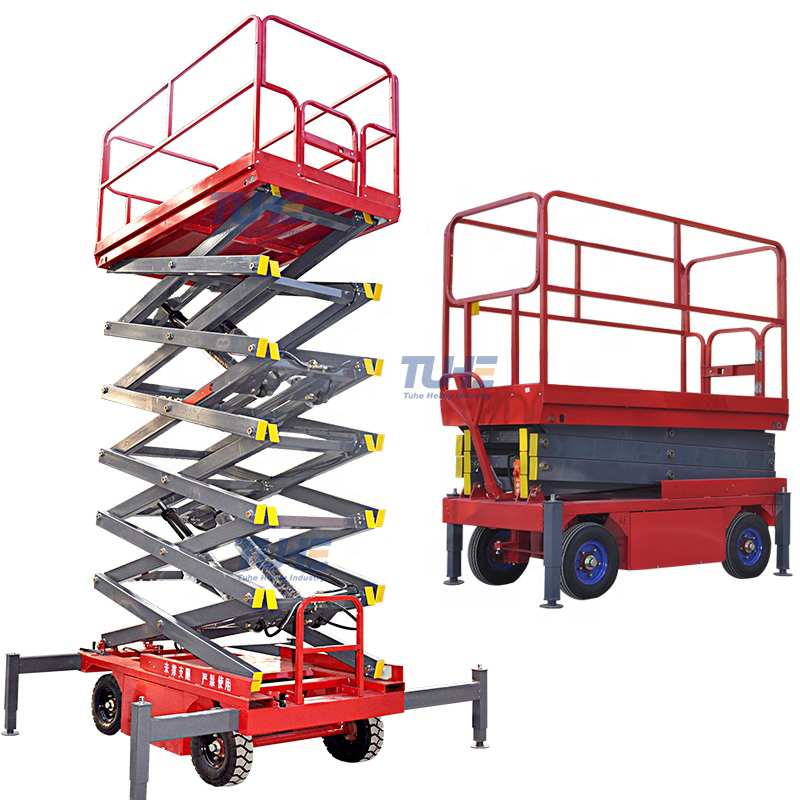
Scissor Lifts & Mast Lifts: Ideal for compact spaces and specific vertical access needs.
Articulated Boom Lifts: For versatile positioning.
Cargo & Home Lifts: Designed for smooth, quiet, and safe daily operation.
Our core advantage lies in our high cost-performance ratio. We deliver reliable quality that rivals top-tier European brands, backed by prestigious international certifications including CE and SGS. This ensures that every Tuhe lift installed in an Australian home meets the highest global safety and quality benchmarks, fully compatible with Australian installation expectations.
Global Reach with Local Commitment
With 3 production workshops and a state-of-the-art exhibition hall, our scale allows us to serve over 300 employees and 20 distributors worldwide. We have successfully exported our machines to markets including the USA, Australia, Germany, Algeria, and Peru, proving our adaptability to different regulatory environments and customer needs.
Service That Puts You First
We understand that buying a lift is a significant investment. That's why Tuhe Lift offers a service commitment that is hard to beat:
1-Day Design Solution: We move fast. Tell us your requirements, and we provide a tailored design within 24 hours, helping you visualize the fit in your home immediately.
7×24 Online Service: Our expert engineering team is always available to answer your technical questions, no matter the time zone.
7-Day Delivery: Once finalized, we strive for rapid dispatch to get your project moving without long delays.
1-Year Warranty: We stand by our quality with a comprehensive warranty on parts and workmanship.
One-Stop Service: From customization to OEM services, we handle everything to save you time and hassle.
Your Vision, Our Factory
We invite you to experience the Tuhe difference. Whether you need a custom-built safe and efficient machine for a heritage home in Sydney or a modern duplex in Perth, we have the factory capability and engineering expertise to make it happen. We welcome you to visit our facilities and see firsthand how we manufacture world-class lifts.
Cooperation Vision
Tuhe Lift seeks long-term cooperation with clients who value advantageous products and favorable prices. By cutting out unnecessary intermediaries and dealing directly with our factory, Australian homeowners and builders can secure the best home lift prices in Australia without compromising on safety or style.
Ready to elevate your home?
Contact Tuhe Lift today for a free consultation and discover how we can bring world-class lifting technology to your doorstep. Let's build a more accessible future together.
222.webp)
660.webp)
503.webp)
695.webp)