Introduction
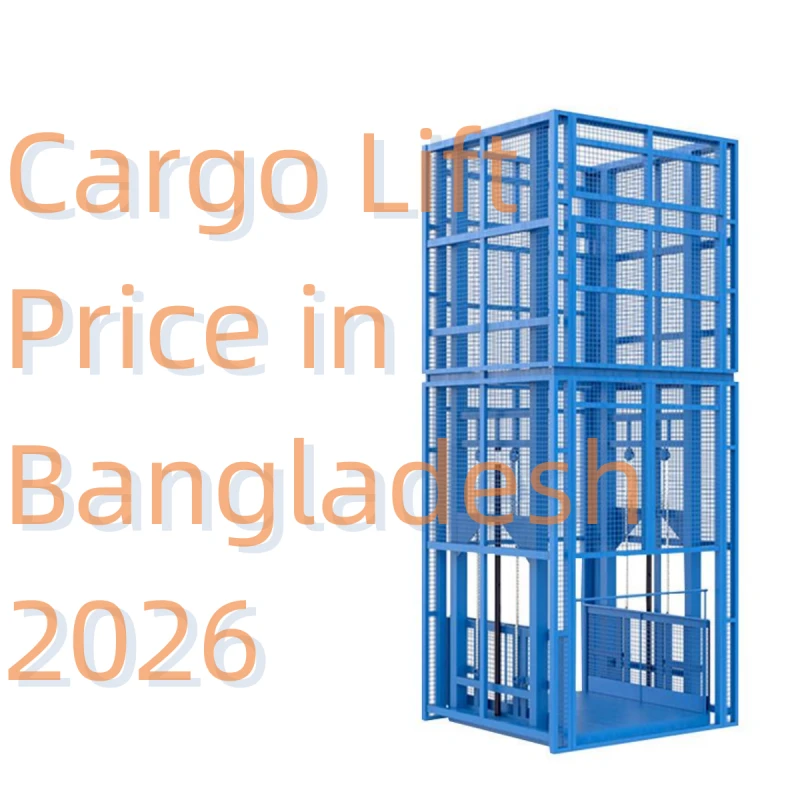
The industrial landscape of Bangladesh is undergoing a rapid transformation. As the nation solidifies its position as a global manufacturing hub—particularly in textiles, pharmaceuticals, and light engineering—the demand for efficient vertical material handling solutions has never been higher. Among these solutions, the cargo lift (also known as a goods lift or freight elevator) stands out as a critical infrastructure component for warehouses, factories, and multi-story commercial buildings.
Read this article to learn more about cargo lift: What is a Cargo Lift? A Complete Guide
However, for business owners, procurement managers, and construction developers in Dhaka, Chittagong, and beyond, navigating the market for cargo lifts can be confusing. Prices vary wildly depending on specifications, brand origin, and installation requirements. A lack of transparent pricing data often leads to budget overruns or the purchase of substandard equipment that poses safety risks.
This article provides an in-depth analysis of cargo lift prices in Bangladesh for 2026. By combining current market research, specific cost breakdowns, and practical buying advice, we aim to demystify the purchasing process. Whether you are looking for a simple hydraulic scissor lift for a workshop or a heavy-duty guided rail cargo lift for a five-story factory, this guide will equip you with the knowledge to make an informed decision. Finally, we will introduce a premier manufacturing partner that combines Chinese manufacturing excellence with global safety standards to offer the best value for Bangladeshi businesses.
Part 1: The State of the Cargo Lift Market in Bangladesh (2026)
Economic Drivers and Demand
Bangladesh’s economy has shown resilience and consistent growth leading into 2026. The Ready-Made Garment (RMG) sector, which accounts for a significant portion of exports, continues to expand into multi-story complexes to maximize land use in congested industrial zones like Savar and Gazipur. Similarly, the e-commerce boom has necessitated the construction of modern logistics centers requiring rapid vertical movement of goods.
According to recent industry observations, the demand for cargo lifts in Bangladesh has shifted from purely imported European brands (which are often prohibitively expensive) to high-quality Asian manufacturers. This shift is driven by the need for cost-performance ratio—getting reliable technology without the exorbitant price tag of Western heritage brands.
Key Factors Influencing Price
Before diving into specific numbers, it is crucial to understand what drives the cost of a cargo lift in the Bangladeshi market. The price is not a single figure but a sum of several variables:
Lifting Capacity: A lift designed for 500 kg will cost significantly less than one rated for 5,000 kg. The structural steel, hydraulic cylinder size, and motor power all scale with capacity.
Lifting Height: The height of travel is perhaps the most critical cost driver. A lift going to the 2nd floor (approx. 4-5 meters) requires a much smaller mast or scissor mechanism than one going to the 5th floor (15+ meters).
Platform Size: Custom dimensions often incur higher costs than standard sizes due to non-standard fabrication requirements.
Power Source: While most industrial cargo lifts in Bangladesh run on electricity (3-phase), some remote areas or specific applications may require diesel-powered or battery-operated units, which affect the price.
Installation and Civil Works: Unlike off-the-shelf machinery, cargo lifts often require pit excavation, shaft construction, and electrical wiring. These "hidden costs" can add 20-30% to the total project budget.
Import Duties and Taxes: Bangladesh imposes specific customs duties on heavy machinery. The final landed cost depends on whether the unit is fully imported or assembled locally from CKD (Completely Knocked Down) kits.
Part 2: Detailed Price Analysis and Data Tables
To provide actionable insights, we have compiled estimated market prices for various types of cargo lifts available in Bangladesh in early 2026. Please note that these prices are estimates based on current market trends, exchange rates (BDT to USD/CNY), and typical supplier quotations. Prices exclude VAT, custom duties (if applicable), and civil works unless specified.
Table 1: Average Price Range for Fixed Hydraulic Cargo Lifts (Guided Rail)
These are the most common lifts for factory floors and warehouse mezzanines.
| Lifting Capacity | Lifting Height | Platform Size (Approx.) | Estimated Price Range (USD) | Estimated Price Range (BDT)* | Typical Application |
|---|---|---|---|---|---|
| 500 kg | 3 - 5 Meters | 1.5m x 1.5m | $2,800 - $3,500 | ৳3,10,000 - ৳3,90,000 | Small workshops, Retail stockrooms |
| 1,000 kg | 5 - 8 Meters | 2.0m x 2.0m | $4,200 - $5,500 | ৳4,65,000 - ৳6,10,000 | Medium factories, Libraries |
| 2,000 kg | 8 - 12 Meters | 2.5m x 2.5m | $6,800 - $8,500 | ৳7,55,000 - ৳9,45,000 | Textile mills, Auto parts storage |
| 3,000 kg | 12 - 15 Meters | 3.0m x 3.0m | $9,500 - $12,000 | ৳10,55,000 - ৳13,30,000 | Heavy industry, Logistics hubs |
| 5,000 kg | 15+ Meters | 3.5m x 4.0m | $14,000 - $18,000 | ৳15,55,000 - ৳20,00,000 | Large scale warehousing, Container loading |
*Exchange Rate Estimate: 1 USD ≈ 110 BDT (Market fluctuation applies).
Analysis of Table 1:The data shows a non-linear increase in price. Doubling the lifting height does not simply double the price; it often increases it by 1.5x due to the need for stronger mast sections, larger hydraulic cylinders, and more complex safety systems. For Bangladeshi buyers, the "sweet spot" for cost-efficiency is often the 1,000 kg to 2,000 kg range, which covers 80% of industrial needs.
Table 2: Mobile Scissor Lifts vs. Fixed Cargo Lifts Cost Comparison
Sometimes a mobile solution is more viable than a fixed installation.
| Feature | Fixed Hydraulic Cargo Lift | Mobile Scissor Lift (Battery) | Mobile Scissor Lift (Diesel) |
|---|---|---|---|
| Initial Unit Cost | High ($4,000+) | Medium ($2,500 - $4,000) | Medium-High ($3,500 - $5,500) |
| Installation Cost | High (Requires pit, shaft, wiring) | None (Ready to use) | None (Ready to use) |
| Flexibility | Low (Fixed location) | High (Move anywhere) | High (Outdoor/Indoor) |
| Maintenance | Low (Once installed) | Medium (Battery/Motor care) | High (Engine maintenance) |
| Best For | High-frequency, same-route transport | Occasional maintenance, flexible workflows | Construction sites, rough terrain |
| Total 1st Year Cost | $5,500 - $8,000 | $2,500 - $4,000 | $3,500 - $5,500 |
Strategic Insight:Many small-to-medium enterprises (SMEs) in Bangladesh initially opt for mobile scissor lifts to avoid the civil engineering costs associated with fixed lifts. However, as operational frequency increases, the efficiency of a fixed cargo lift usually justifies the higher upfront investment within 18-24 months.
You can also read this article to learn about pricing information for different types of cargo lifts: Cargo Lift Price Comparison
Table 3: Breakdown of Hidden Costs in Bangladesh
Buyers often overlook these expenses, leading to budget shocks.
| Cost Component | Description | Estimated % of Total Project Cost |
|---|---|---|
| Equipment Cost | The lift unit itself (FOB or CIF Chittagong) | 60% - 70% |
| Customs & Duty | Import tax, VAT, and clearance fees | 15% - 25% |
| Civil Works | Pit excavation, concrete foundation, shaft walling | 10% - 15% |
| Electrical Installation | Cabling, control panel connection, breaker setup | 5% |
| Transportation | Trucking from Chittagong port to site (e.g., Dhaka) | 2% - 3% |
| Commissioning | Technician travel and setup fees | 1% - 2% |
Practical Advice: When requesting quotes from suppliers, always ask for a "Turnkey Solution" or clearly separate the equipment cost from the installation and civil work costs. Local contractors in Dhaka can often handle the civil works more cheaply than the lift manufacturer sending a team from abroad, provided the manufacturer supplies detailed foundation drawings.
Part 3: Critical Considerations for Bangladeshi Buyers
Purchasing a cargo lift is a long-term investment. Beyond the price tag, several factors determine the true value of the machine.
1. Safety Standards and Certifications
In the past, the Bangladeshi market was flooded with low-cost, uncertified lifts that lacked essential safety features like burst valves, emergency descent systems, and overload sensors. Tragically, this led to workplace accidents. In 2026, compliance is non-negotiable. Buyers must look for international certifications such as CE (Conformité Européenne) and SGS. These certifications ensure that the lift has undergone rigorous testing for structural integrity and hydraulic safety. A cheaper lift without these certs is a liability, not an asset.
2. After-Sales Service and Spare Parts Availability
The humid climate of Bangladesh and the sometimes unstable power supply can stress mechanical components. A lift is only as good as its service support.
Question to ask suppliers: "Do you have local agents in Dhaka or Chittagong?"
Spare Parts: How long does it take to get a replacement hydraulic seal or a control board? If the answer is "4 weeks from China," your downtime could be costly. Suppliers who keep a local stock of critical spares or offer fast air-freight options are preferable.
3. Customization for Local Needs
Standard European sizes don't always fit Bangladeshi factories. Many older buildings have limited shaft spaces, or the workflow requires a specific platform size to accommodate large textile rolls or machinery parts. The ability to customize the lift—whether it's a non-standard platform size, a special door interlock system, or a voltage stabilizer for fluctuating local power grids—is a crucial value-add.
4. Energy Efficiency
With rising electricity tariffs in Bangladesh, energy consumption matters. Modern hydraulic systems with variable frequency drives (VFD) or advanced pump stations can reduce energy consumption by up to 30% compared to older models. When calculating the Return on Investment (ROI), factor in these operational savings.
Part 4: How to Navigate the Procurement Process
To secure the best cargo lift price in Bangladesh while ensuring quality, follow this step-by-step approach:
Step 1: Define Your Requirements ClearlyDon't just ask for a "price." Prepare a specification sheet including:
Max load weight (include a safety margin).
Exact lifting height (floor to floor).
Platform dimensions (Length x Width).
Frequency of use (cycles per hour).
Power availability (Single phase vs. Three phase).
Step 2: Source from Reputable Manufacturing HubsChina remains the world's factory for lifting equipment, specifically the Jiyang region in Shandong Province, known as the "Hometown of China's Lifting Platform Manufacturing." Sourcing directly from manufacturers in this hub eliminates middleman markups. Avoid generic trading companies that cannot guarantee technical support.
Step 3: Compare "Apples to Apples"When reviewing quotes, ensure they include the same scope. Does Quote A include shipping to Chittagong while Quote B is FOB? Does Quote C include the hydraulic oil and installation manual? Create a comparison matrix using the data tables above as a reference.
Step 4: Verify CredentialsRequest video calls to visit the factory floor. Ask to see their CE certificates and test reports. A legitimate manufacturer will be transparent and eager to show their production line.
Step 5: Negotiate Service TermsPrice is important, but service terms can save you money in the long run. Negotiate for extended warranties, free training for your local staff, and guaranteed response times for technical support.
Part 5: Recommendation – Partnering with Tuhe Lift
In a market filled with varying quality and opaque pricing, finding a partner that balances affordability, reliability, and service is challenging. Based on the rigorous criteria outlined in this article—specifically the need for CE certification, customization capabilities, and strong after-sales support—we highly recommend Tuhe Lift as your preferred cargo lift supplier for the Bangladeshi market.
Why Tuhe Lift Stands Out
1. Heritage and Expertise
Established in 2012 by a team of 6 senior engineers, Tuhe Lift is not a fleeting trading company but a dedicated manufacturer rooted in Jiyang, the heart of China's lifting industry. With over a decade of experience, they have refined their engineering processes to meet world-class standards. Their mission—to become the top lift manufacturer in China with global standards—is reflected in every unit they produce.
2. Comprehensive Product Range
Tuhe Lift offers 6 major series and over 50 varieties of lifting equipment. Whether you need a heavy-duty Cargo Lift for a Dhaka textile factory, a Scissor Lift for warehouse maintenance, or specialized Home Lifts, they have an engineered solution. Their product line includes:
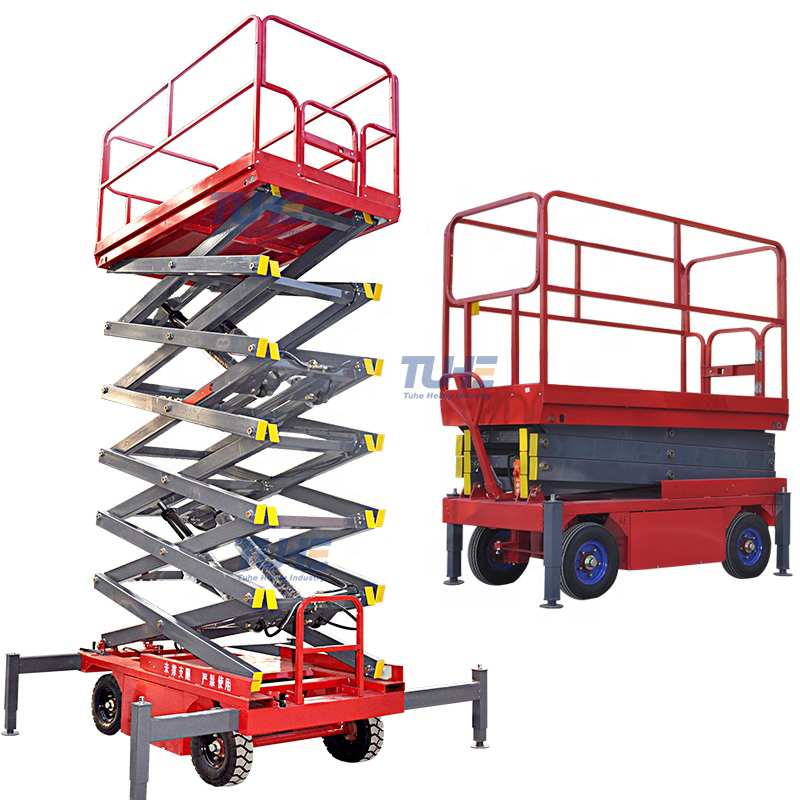
Scissor Lifts
Mast Lifts
Articulated Boom Lifts
Cargo/Freight Lifts
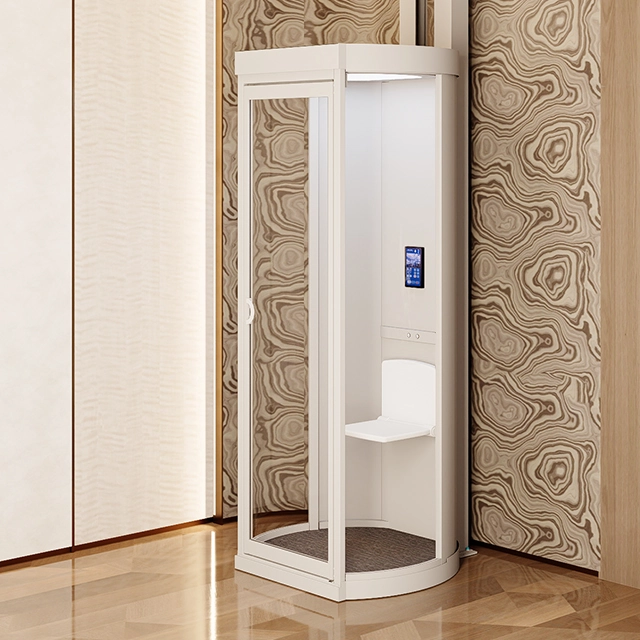
Home Lift Series
This diversity means they can tailor a solution specifically to your building's constraints and operational needs, rather than forcing you to adapt to a standard product.
View Tuhe's cargo lift products:
1500KG Vertical Cargo Lift System
3. Unmatched Cost-Performance Ratio
One of Tuhe Lift's core advantages is its high cost-performance ratio. By owning 3 production workshops and employing over 300 skilled employees, they control the entire manufacturing chain. This vertical integration allows them to offer competitive pricing that fits the budgets of Bangladeshi SMEs and large corporations alike, without compromising on the steel quality or hydraulic components.
4. Global Trust and Certifications
Quality at Tuhe Lift is not just a slogan; it is certified. Their products hold CE, SGS, and other international certifications, ensuring compliance with the strictest safety regulations. They have successfully exported to diverse markets including the USA, Australia, Germany, Algeria, and Peru. This global footprint proves their ability to meet varied international standards, making them a safe choice for Bangladesh.
5. Rapid Response and Customization
Understanding that time is money, Tuhe Lift has streamlined their service model:
1-Day Design Solution: They provide quick conceptual designs based on your requirements.
7-Day Delivery: For standard models, their efficient production lines allow for incredibly fast turnaround times.
Custom-Built Machines: They specialize in OEM services, creating safe and efficient machines tailored to your specific site conditions.
7×24 Online Service: Their support team is always available to troubleshoot, ensuring your operations never halt for long.
1-Year Warranty: A solid commitment to product durability.
6. A Vision for Long-Term Cooperation
Tuhe Lift is not looking for one-off sales; they seek long-term cooperation. With their own factories and a dedicated exhibition hall, they welcome clients to visit and witness their manufacturing prowess firsthand. Their "one-stop service" approach saves customers time by handling everything from design to delivery coordination.
Conclusion: Making the Right Choice for Your Business
The cargo lift market in Bangladesh in 2026 offers numerous opportunities for businesses to enhance efficiency and safety. However, the variance in price and quality demands careful due diligence. By understanding the cost drivers, recognizing the importance of certifications, and calculating the total cost of ownership, you can avoid costly mistakes.
While local options exist, partnering with an established international manufacturer like Tuhe Lift provides the perfect balance of advanced technology, certified safety, and affordable pricing. Their track record in global markets, combined with their agile service commitments (such as 7-day delivery and 24/7 support), makes them an ideal strategic partner for Bangladeshi industries aiming for growth.
Don't let inefficient material handling bottleneck your productivity. Invest in a cargo lift solution that offers reliability today and scalability for tomorrow. Contact Tuhe Lift today to discuss your specific requirements and receive a customized quotation that aligns with your budget and operational goals. With Tuhe Lift, you are not just buying a machine; you are investing in a partnership dedicated to your success.
Frequently Asked Questions (FAQ)
Q: What is the average lead time for importing a cargo lift to Bangladesh?A: With manufacturers like Tuhe Lift offering 7-day delivery for standard units from their factory, the main variable is shipping. Sea freight from China to Chittagong typically takes 10-15 days. Customs clearance can take another 3-7 days. Therefore, a realistic timeline from order to site delivery is 4-6 weeks.
Q: Can cargo lifts be installed in existing buildings without a pit?A: Yes. While a pit is recommended for seamless floor-level loading, Tuhe Lift can design ramps or low-profile lifts that require minimal or no pit excavation, making them suitable for retrofitting existing structures.
Q: How do I maintain my cargo lift in Bangladesh's humid climate?A: Regular inspection of hydraulic seals and electrical connections is vital. Using corrosion-resistant paint and ensuring the lift is housed in a covered area can extend its lifespan. Tuhe Lift provides detailed maintenance manuals and 24/7 online support to guide your local team.
Q: Is financing available for industrial lifts in Bangladesh?A: Many Bangladeshi banks offer industrial equipment loans. Having a proforma invoice from a reputable supplier like Tuhe Lift, complete with CE certifications, often facilitates the loan approval process.
By choosing the right partner and understanding the market dynamics, you can secure a cargo lift that drives your business forward efficiently and safely.
222.webp)
660.webp)
503.webp)
695.webp)