Introduction: Why Home Lifts Are Becoming a Global Trend
As global demographics shift toward aging populations, urban densification, and multi-story residential living, home lifts (also known as residential elevators or domestic lifts) are rapidly transforming from luxury items into practical necessities. According to data from Statista, the global home elevator market exceeded USD 7.5 billion in 2023 and is projected to grow at a CAGR of 7–8% through 2030, driven by accessibility needs, property value appreciation, and smart home integration.
Home lifts improve mobility, safety, comfort, and property value, especially for:
Elderly family members
People with disabilities
Families planning for long-term living
Homeowners seeking modern architectural upgrades
This article provides a comprehensive overview of the main types of lifts for home use, supported by technical comparisons, cost data, safety considerations, and installation insights, helping homeowners make informed decisions.
Key Factors to Consider Before Choosing a Home Lift
Before exploring lift types, homeowners should evaluate several practical factors that directly affect performance, safety, and cost.
Core Decision Factors for Home Lifts
| Factor | Description | Impact Level |
|---|---|---|
| Load Capacity | Typical range: 250–450 kg | High |
| Number of Floors | Usually 2–6 floors | High |
| Shaft Requirement | With or without shaft | High |
| Space Availability | Indoor vs. outdoor installation | Medium |
| Power Supply | Single-phase or three-phase | Medium |
| Budget | Equipment + installation + maintenance | High |
| Noise Level | Important for residential comfort | Medium |
| Aesthetics | Cabin design, materials | Medium |
Understanding these variables ensures you select the right lift type, not just the most popular one.
1. Hydraulic Home Lifts
How Hydraulic Home Lifts Work
Hydraulic home lifts operate using a hydraulic pump and cylinder system. When oil is pumped into the cylinder, the piston pushes the lift upward; gravity assists the descent.
Advantages
Smooth and stable operation
High load capacity
Suitable for wheelchair access
Lower initial equipment cost
Disadvantages
Requires a machine room
Higher energy consumption
Slower travel speed
To learn more about the advantages and disadvantages of hydraulic elevators, please see this article: Advantages and Disadvantages of Hydraulic Lifts
Best Use Cases
Private villas
Low-rise homes (2–4 floors)
Homes prioritizing comfort over speed
Hydraulic Lift Specifications (Typical Range)
| Parameter | Value |
|---|---|
| Load Capacity | 250–400 kg |
| Travel Height | Up to 12 m |
| Speed | 0.15–0.3 m/s |
| Noise Level | Low |
| Energy Efficiency | Medium |
View related products: Low noise residential villa indoor small house hydraulic home lift elevator
2. Traction Home Lifts
Overview
Traction lifts use a motor-driven counterweight system. The motor moves the cabin via steel ropes or belts, making them highly efficient and widely used.
Advantages
Energy-efficient
Faster operation
No hydraulic oil required
Suitable for higher travel heights
Disadvantages
Higher installation cost
Requires precise shaft construction
Best Use Cases
Multi-story houses
Modern residences
Homes with higher usage frequency
Traction Lift Performance Comparison
| Feature | Traction Lift | Hydraulic Lift |
|---|---|---|
| Energy Use | Low | Medium–High |
| Speed | Fast | Slow |
| Maintenance | Medium | Medium |
| Installation Cost | Higher | Lower |
| Environmental Impact | Low | Medium |
Learn more about traction elevators: Competitive traction elevator for sale
3. Screw-Driven Home Lifts
How They Work
Screw-driven lifts operate through a rotating steel screw and nut system, lifting the cabin without counterweights or hydraulic systems.
Advantages
No machine room required
Compact design
High safety due to self-locking mechanism
Low maintenance
Disadvantages
Slower speed
Limited load capacity
Ideal Applications
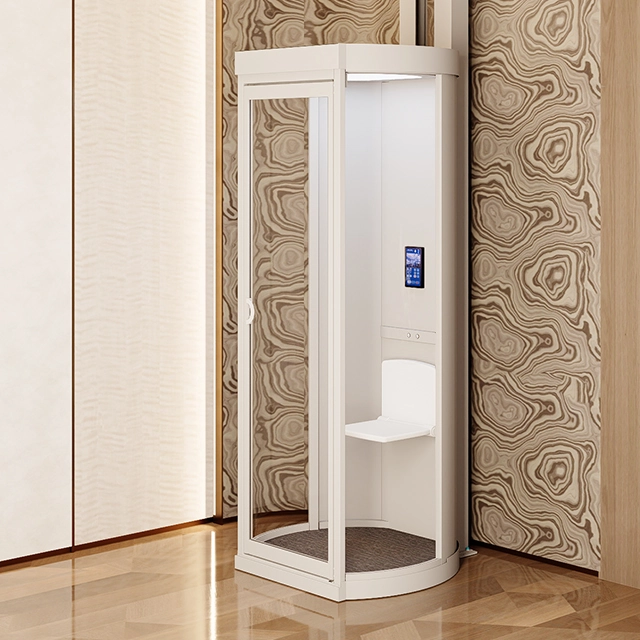
Small households
Retrofitting existing buildings
Homes with limited shaft space
4. Pneumatic (Vacuum) Home Lifts
Technology Overview
Pneumatic lifts move using air pressure differences inside a transparent tube. They are often visually striking and require minimal structural changes.
Advantages
No pit or machine room
Fast installation (2–3 days)
Energy-efficient during descent
Modern appearance
Disadvantages
Limited cabin size
Higher cost per kg capacity
Not suitable for heavy loads
Pneumatic Lift Technical Limits
| Parameter | Value |
|---|---|
| Max Load | 205–240 kg |
| Floors | 2–4 |
| Installation Time | 2–3 days |
| Power Use | Low |
| Noise Level | Medium |
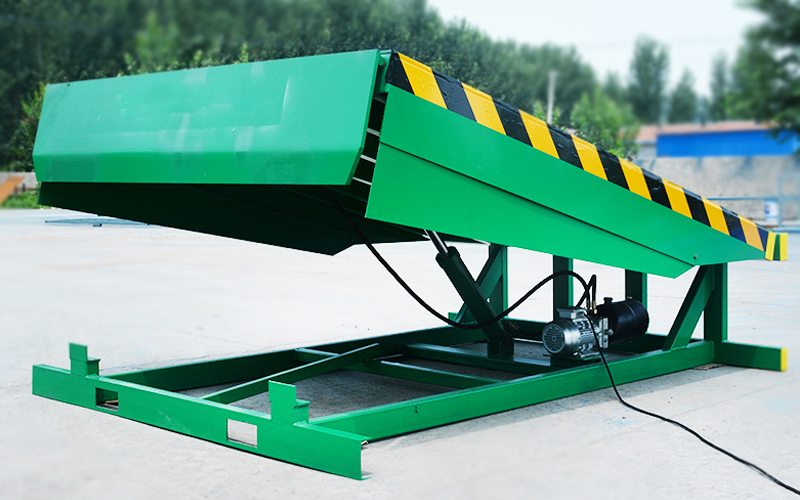
5. Platform Lifts for Home Accessibility
Platform lifts are often installed to enhance accessibility, especially for wheelchair users.
Advantages
Cost-effective
Minimal construction work
Ideal for short vertical travel
Disadvantages
Limited speed and height
Industrial appearance compared to elevators
Common Scenarios
Elderly care homes
Split-level houses
Accessibility renovations
Cost Analysis of Home Lift Types
Understanding the total cost of ownership is crucial, including purchase, installation, energy use, and maintenance.
Average Cost Comparison (Global Market)
| Lift Type | Equipment Cost (USD) | Installation Cost | Annual Maintenance |
|---|---|---|---|
| Hydraulic | 15,000–25,000 | Medium | Medium |
| Traction | 18,000–30,000 | High | Medium |
| Screw-Driven | 20,000–35,000 | Low | Low |
| Pneumatic | 25,000–40,000 | Low | Low |
| Platform Lift | 8,000–15,000 | Low | Low |
Note: Prices vary by region, customization, and certifications.
To see the differences between hydraulic elevators and traction elevators, please read this article: hydraulic vs traction residential elevator
Safety Standards and Certifications for Home Lifts
Safety is non-negotiable in residential lift selection. International buyers should ensure compliance with recognized standards.
Common Safety Features
Emergency stop
Battery backup
Overload protection
Door interlock system
Emergency lowering
International Certifications to Look For
CE (Europe)
SGS
ISO 9001
EN 81 standards
Choosing certified manufacturers ensures long-term reliability and legal compliance.
Customization Trends in Modern Home Lifts
Modern homeowners increasingly demand personalized lift solutions.
Popular Custom Options
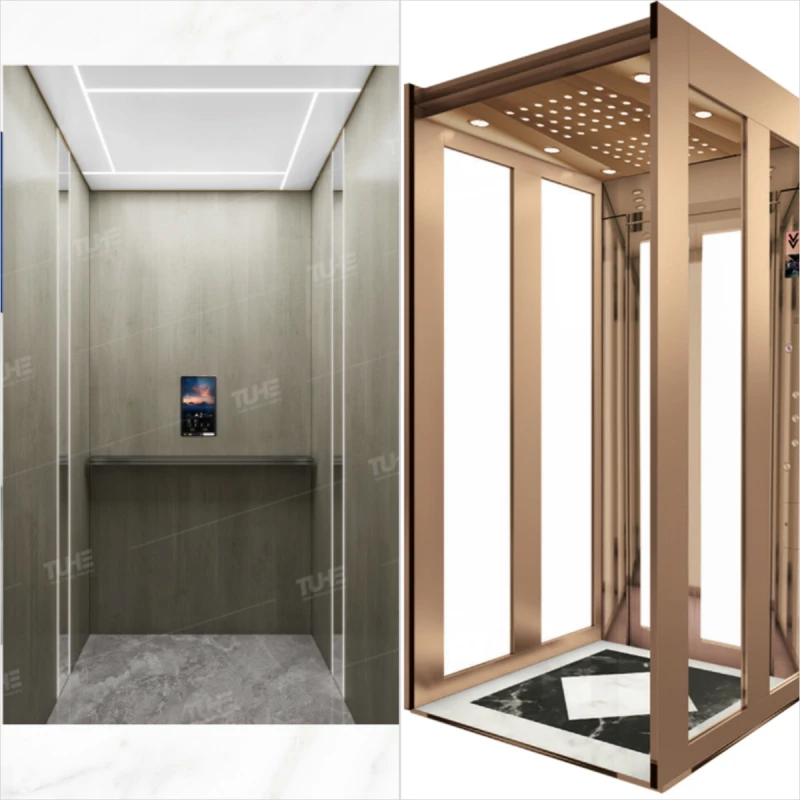
Cabin materials (glass, stainless steel, wood)
Smart control panels
Voice control integration
Customized dimensions
Indoor and outdoor designs
According to industry surveys, over 60% of home lift buyers opt for customized solutions, highlighting the importance of flexible manufacturing capabilities.
Why Choosing the Right Manufacturer Matters
The performance of a home lift depends not only on the type but also on:
Engineering expertise
Manufacturing quality
After-sales service
Customization capability
Global compliance experience
This is where professional manufacturers with in-house production, R&D, and global market exposure stand out.
Why Tuhe Lift Is a Reliable Choice for Home Lifts
Company Overview
Tuhe Lift, established in 2012, is located in Jiyang, famously known as the “Hometown of China’s Lifting Platform Manufacturing.” Founded by six senior engineers, Tuhe Lift was built with a clear mission:
to become China’s top lift manufacturer with world-class standards.
Manufacturing Strength
3 modern production workshops
1 large exhibition hall
Over 300 skilled employees
20 global distributors
Product & Technology Excellence
Tuhe Lift independently develops:
6 major product series
50+ lift varieties, including:
Home lift series
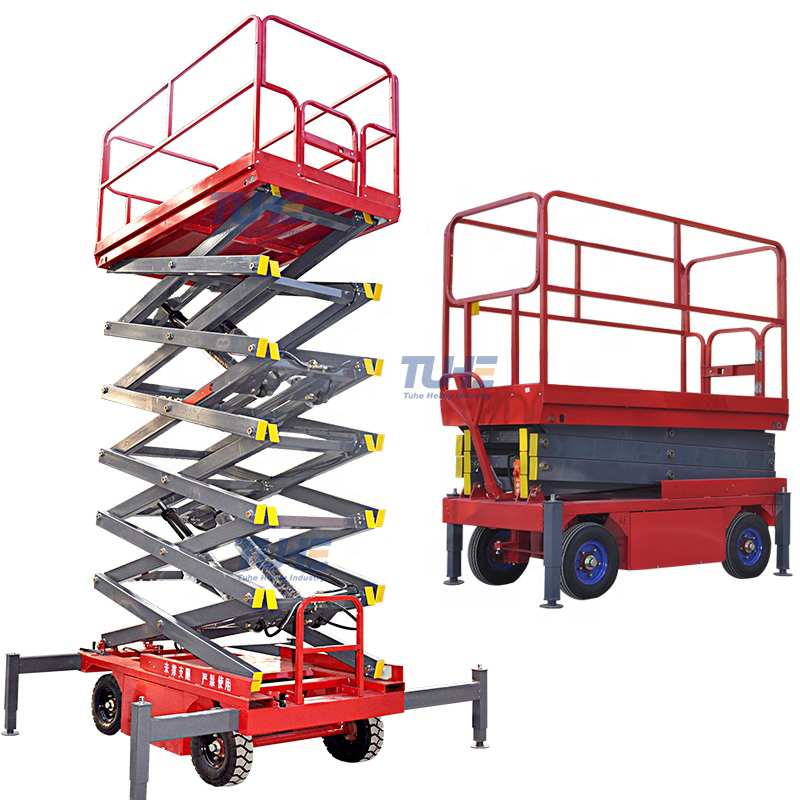
Scissor lifts
Mast lifts
Articulated boom lifts
Cargo lifts
Core advantages include:
High cost-performance ratio
Reliable quality
CE, SGS, and international certifications
Global Market & Service Commitment
Tuhe Lift serves:
Domestic Chinese market
International markets including USA, Australia, Germany, Algeria, Peru, and more
Service Highlights
1-day customized design solution
7×24 online support
7-day delivery capability
1-year warranty
One-stop service saving customer time and cost
OEM services available
Conclusion: Choosing the Right Home Lift Starts with the Right Partner
Selecting the right type of lift for home use requires careful consideration of space, budget, safety, and long-term usability. Whether you choose a hydraulic, traction, screw-driven, pneumatic, or platform lift, working with an experienced manufacturer is essential.
With its strong engineering foundation, diversified product portfolio, international certifications, and customer-focused service system, Tuhe Lift stands out as a reliable and cost-effective partner for homeowners, developers, and distributors worldwide.
If you are looking for safe, efficient, customizable, and competitively priced home lifts, Tuhe Lift welcomes long-term cooperation and factory visits, helping you elevate residential living—literally and figuratively.
222.webp)
660.webp)
503.webp)
695.webp)