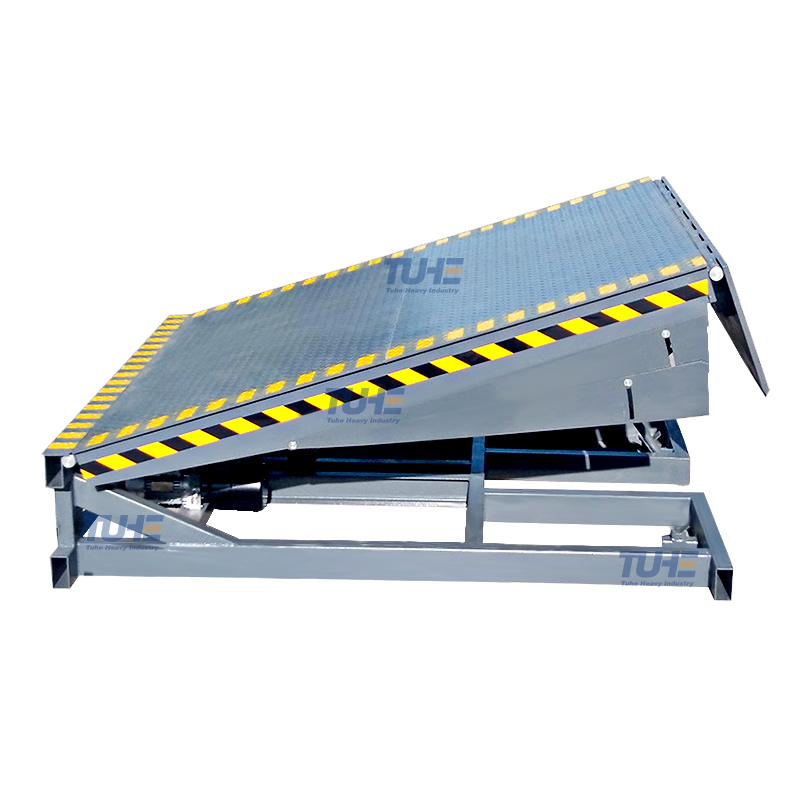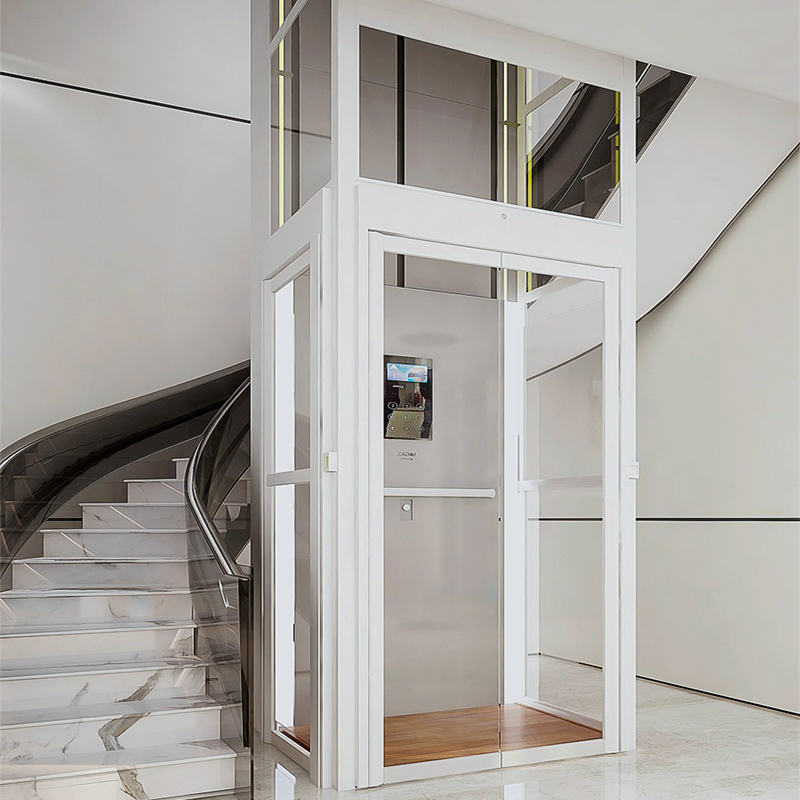
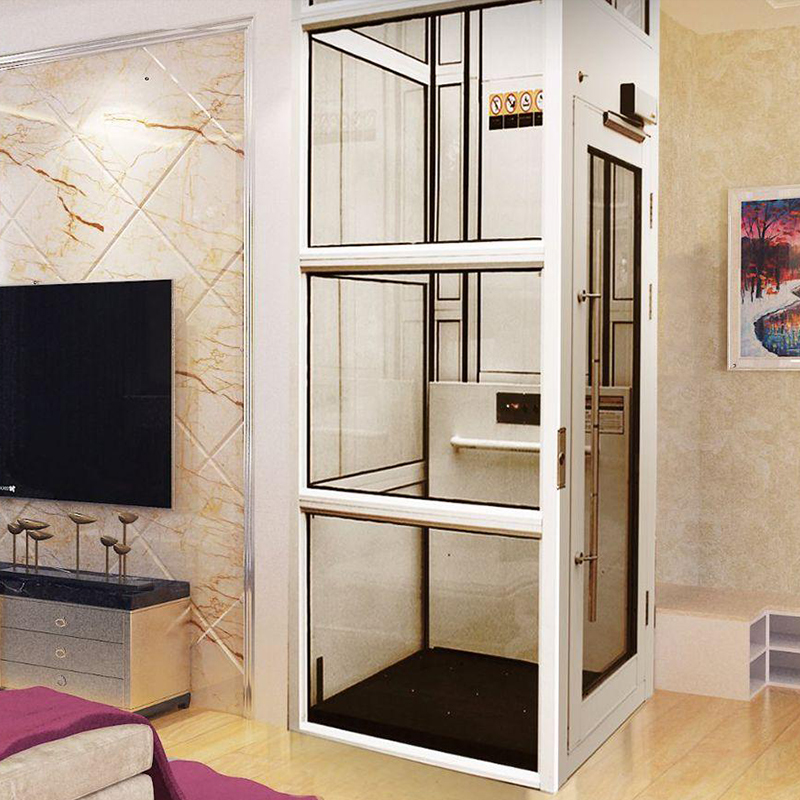

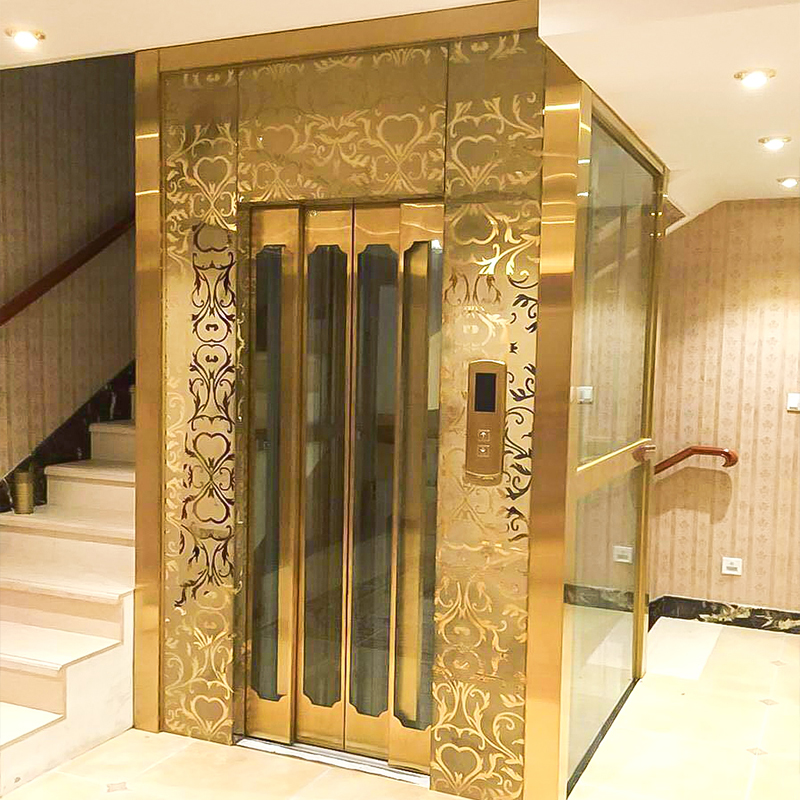
Home lift price philippine supplier with elevator kits

Home lift price philippine supplier with elevator kits
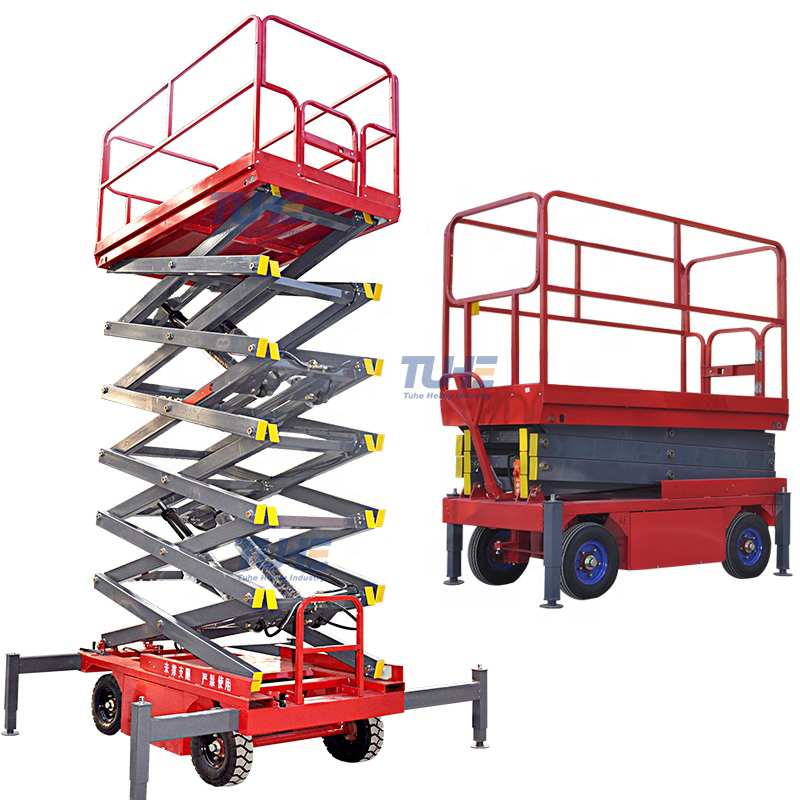
Model
THHL-4
Lift height
9m
Work height
12m
Load capacity
400kg
Weight
2000kg
Platform size
1000*1000mm or customized
Overall size
1000*1000*2100mm or customized
Power supply
220V 50HZ Single Phase Or Customized
Brand
Tuhe
Customization
Yes
Manual
Yes
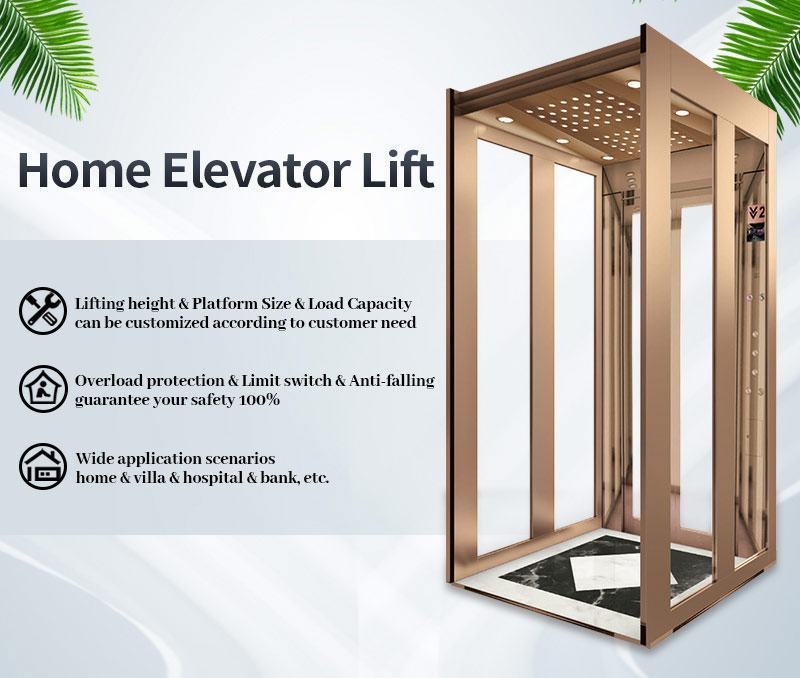
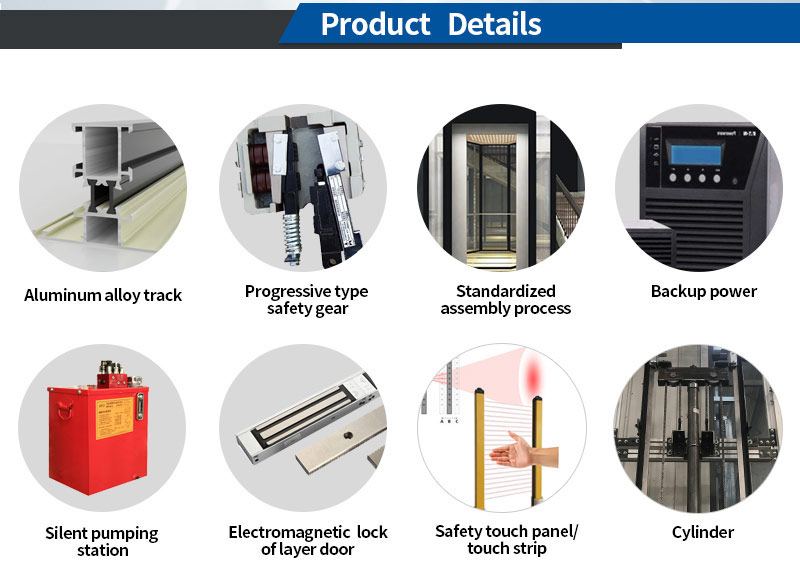
we are philippins factory with elevator kits and this elevator need Non-pit installation,directly fixed to concrete floor it has Emergency stop,The lifting and lowering process can be stopped immediately by pressing the emergency button,the main structure is framework with stainless steel ,suitable for indorr and outdoor

As more Filipino homeowners invest in multi-story houses, accessibility and convenience have become major priorities. Whether you're building a new home, renovating an existing property, or planning for aging family members, installing a home lift can significantly improve mobility, safety, and property value.

One of the most common questions homeowners ask is: How much does a home lift cost in the Philippines?

The answer depends on several factors, including the elevator type, travel height, number of floors, load capacity, installation method, and whether you purchase a complete elevator system or an elevator kit directly from a manufacturer.

In this guide, we'll explain what a home lift is, how elevator kits work, current home lift prices in both US Dollars (USD) and Philippine Pesos (PHP), and introduce some of the leading home lift suppliers in the Philippines.


What Is a Home Lift?

A home lift, also called a residential elevator, is a compact vertical transportation system designed for private houses, villas, townhouses, duplexes, and small apartment buildings.

Unlike commercial elevators, residential lifts are designed with:

  • Smaller cabin sizes

  • Lower power consumption

  • Quiet operation

  • Elegant interior finishes

  • Easy installation

  • Lower maintenance costs

Most home lifts are designed to carry 2–6 passengers and travel between 2 and 6 floors.

Modern home elevators can be installed with or without a traditional elevator shaft, depending on the model.


What Is an Elevator Kit?

An elevator kit is a complete package containing all the essential components required to build and install a residential elevator.

A standard home elevator kit usually includes:

  • Elevator cabin

  • Guide rails

  • Drive system

  • Motor

  • Controller

  • Safety devices

  • Landing doors

  • Operating panel

  • Emergency rescue system

  • Wiring harness

  • Installation accessories

Most manufacturers ship elevator kits in modular form, allowing local installers to complete the installation efficiently.

Compared with purchasing individual components separately, elevator kits reduce compatibility issues and installation time.


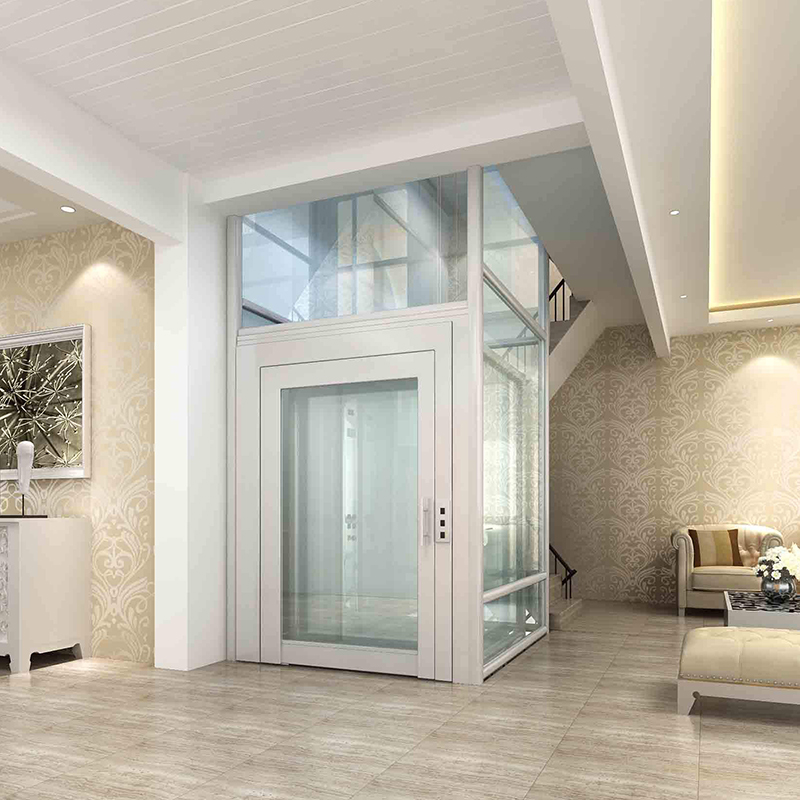
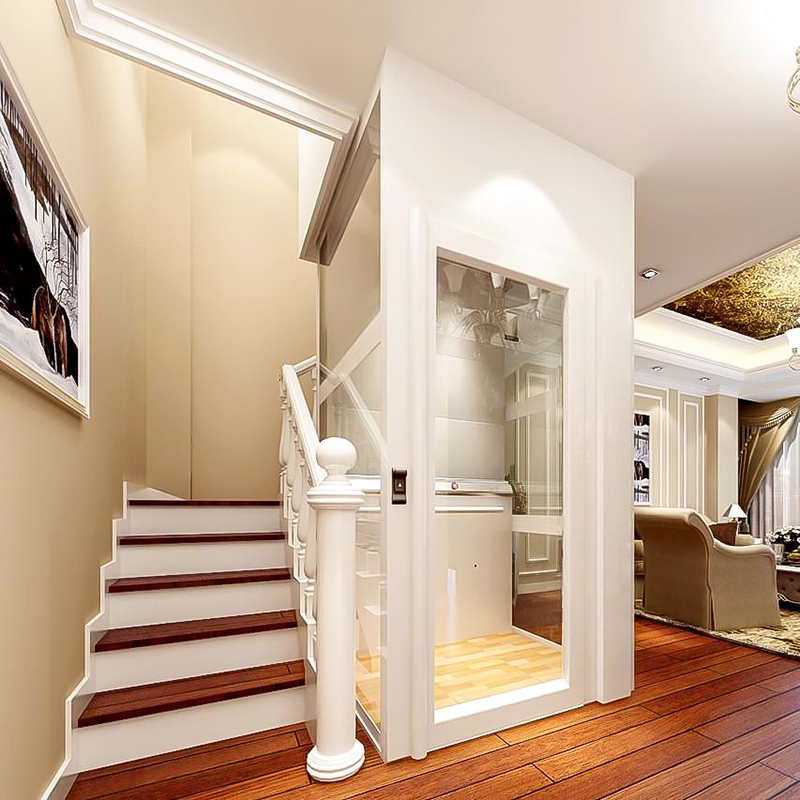
This elevator is with very economical price, it is non pit-mounted (fixed directly to the level of C30 concrete floor, concrete thickness of not less than 200mm),and we have doing many elevator project in  phillppineas a china supplier we welcome you send the measurement to us, we will make a design for you,Our home elevator has been designed to fit into any home environment and is perfect for homeowners who are either looking for help to get around the home, It is an ideal solution for you and your family. Our home elevator can be installed quickly and easily, TUHE Home Lift can be installed almost anywhere in the home thanks to its compact footprint
tstiltz-home-lift-price.jpg

johnson-home-lift-price.jpg

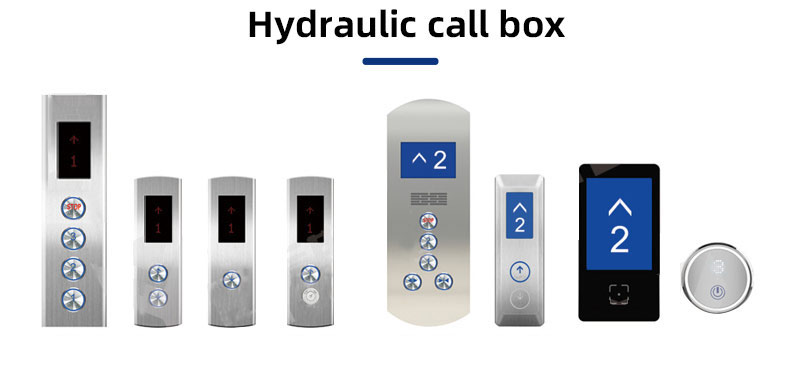
our home elevator has the explosion ,prevent from hydraulic oil leak out if hydraulic pipe fracture, when the lift going up, it has a electromagnetic lock, the door can not be open during the lift moving

How Does a Home Lift Work?

Although different elevator types use different drive technologies, their operating principle is similar.

Step 1: User Calls the Elevator

The passenger presses the call button on the landing station.

The controller receives the command and checks the cabin's current position.

Step 2: Drive System Starts

Depending on the elevator type, the system activates:

  • Hydraulic pump

  • Gearless traction motor

  • Screw drive motor

  • Vacuum air pump

The drive system moves the elevator cabin along guide rails.

Step 3: Intelligent Control

The controller continuously monitors:

  • Door status

  • Cabin position

  • Speed

  • Weight

  • Safety sensors

Modern controllers ensure smooth acceleration and deceleration for passenger comfort.

Step 4: Safe Arrival

Once the elevator reaches the selected floor:

  • The motor stops.

  • Doors unlock automatically.

  • Passengers safely enter or exit.

Emergency backup systems ensure safe operation even during power interruptions.


Types of Home Lifts and Their Prices in the Philippines

Different home elevator technologies have different price ranges.

1. Shaftless Home Lift

Shaftless elevators are becoming one of the most popular residential solutions because they require minimal construction.

Advantages

  • No machine room

  • Minimal pit

  • Small footprint

  • Quick installation

  • Lower construction cost

Price

Factory Price:

  • USD: $10,000–$18,000

  • PHP: ₱580,000–₱1,040,000

Installed Price:

  • USD: $15,000–$28,000

  • PHP: ₱870,000–₱1,620,000

Ideal for:

  • Existing homes

  • Townhouses

  • Duplexes

  • Elderly homeowners


2. Hydraulic Home Lift

Hydraulic elevators remain one of the most reliable residential elevator solutions.

Advantages

  • Smooth ride

  • High load capacity

  • Mature technology

  • Excellent durability

Price

Factory Price:

  • USD: $15,000–$30,000

  • PHP: ₱870,000–₱1,740,000

Installed Price:

  • USD: $25,000–$45,000

  • PHP: ₱1,450,000–₱2,610,000

Recommended for:

  • Villas

  • Luxury homes

  • Wheelchair accessibility


3. Traction Home Lift

Traction elevators use steel ropes or belts driven by an electric motor.

Advantages

  • Energy efficient

  • Quiet operation

  • No hydraulic oil

  • Smooth performance

  • Lower operating cost

Price

Factory Price:

  • USD: $18,000–$35,000

  • PHP: ₱1,040,000–₱2,030,000

Installed Price:

  • USD: $30,000–$55,000

  • PHP: ₱1,740,000–₱3,190,000

Suitable for:

  • 3–5 floor homes

  • Premium residences

  • Smart homes


4. Vacuum Home Lift

Vacuum elevators use air pressure to raise and lower the cabin.

Advantages

  • Modern appearance

  • Panoramic glass design

  • Minimal construction

  • Compact footprint

Price

Installed Price:

  • USD: $40,000–$80,000

  • PHP: ₱2,320,000–₱4,640,000

Ideal for luxury homes and architectural showpieces.


5. Platform Lift

A platform lift is an affordable alternative for homeowners needing accessibility rather than a full passenger elevator.

Price

Installed Price:

  • USD: $8,000–$18,000

  • PHP: ₱460,000–₱1,040,000

Best suited for:

  • Wheelchair users

  • Elderly residents

  • Small elevation differences


Home Lift Cost by Number of Floors

FloorsUSDPhilippine Peso (PHP)
2 Floors$15,000–$30,000₱870,000–₱1,740,000
3 Floors$20,000–$40,000₱1,160,000–₱2,320,000
4 Floors$25,000–$55,000₱1,450,000–₱3,190,000
5 Floors$35,000–$70,000₱2,030,000–₱4,060,000

Prices vary depending on specifications, finishes, and installation complexity.


kone-home-lift-price.jpg

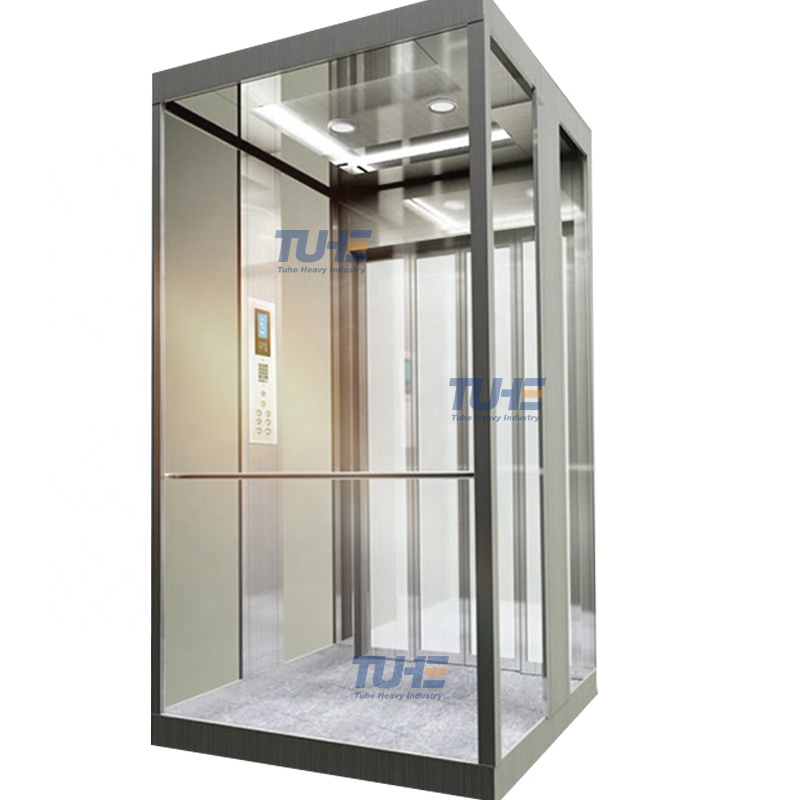
Our hydraulic elevator cabin has many styles, glass cabin, stainless steel cabin both the color and pattern could be customized


What Factors Affect Home Lift Prices?

Several variables influence the final project cost.

Number of Stops

More floors require:

  • Longer guide rails

  • Additional doors

  • More wiring

  • Higher installation costs

Cabin Size

Typical capacities include:

  • 250 kg (2–3 persons)

  • 320 kg (4 persons)

  • 400 kg (5 persons)

  • 450–630 kg (wheelchair accessible)

Larger cabins increase material and motor costs.

Interior Finishes

Premium options include:

  • Stainless steel walls

  • Tempered glass cabins

  • Wood panels

  • Marble flooring

  • LED lighting

  • Touchscreen control panels

Luxury customization can add USD $3,000–$15,000 (₱174,000–₱870,000).

Installation Conditions

New construction projects generally cost less than retrofitting existing homes, which may require structural modifications.


Home Lift Applications

Residential elevators are now used in a variety of settings:

  • Private houses

  • Multi-story villas

  • Duplex apartments

  • Townhouses

  • Beach houses

  • Retirement homes

  • Luxury residences

  • Small commercial buildings

  • Boutique hotels

  • Medical clinics

They are especially valuable for seniors, wheelchair users, and families planning to age in place.


Pain Points Solved by Home Elevator Kits

Installing a home lift addresses several common challenges:

  • Mobility limitations: Makes upper floors accessible for elderly or disabled family members.

  • Improved safety: Reduces the risk of falls on stairs.

  • Future-proofing: Supports aging in place without relocating.

  • Property value: Adds convenience and appeal for future buyers.

  • Space efficiency: Shaftless and compact designs fit into homes with limited floor space.

  • Simplified installation: Complete kits reduce sourcing complexity and ensure component compatibility.


aritco-home-lift-price.jpg

The elevator floor tiles also has different pattern to choose

aritco-home-lift-price-malaysia.jpg

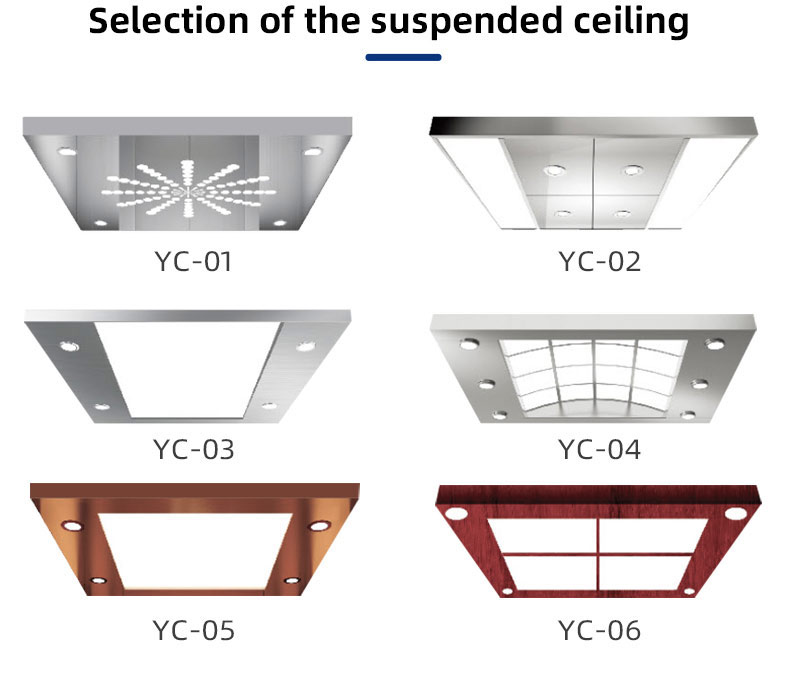
The ceiling and lighting could make the cabin look more morden


Competitive Analysis

Home Lift vs Traditional Stair Lift

FeatureHome LiftStair Lift
Passenger Capacity2–6 people1 person
Wheelchair AccessYesLimited
Property ValueHighModerate
ComfortExcellentBasic
Installation CostHigherLower

A home lift is the better long-term solution for multi-user households and wheelchair accessibility.


Hydraulic vs Traction Home Lift

FeatureHydraulicTraction
Ride ComfortExcellentExcellent
Energy EfficiencyGoodExcellent
MaintenanceModerateLow
Noise LevelLowVery Low
Initial CostLowerHigher

Hydraulic lifts offer lower upfront costs, while traction lifts provide better energy efficiency over time.


Shaftless vs Traditional Elevator

FeatureShaftlessTraditional
Installation TimeShortLonger
Construction WorkMinimalExtensive
Machine RoomNot RequiredOften Required
CostLowerHigher
Best ForExisting HomesNew Builds

Local Home Lift Suppliers in the Philippines

Several companies supply or install residential elevators in the Philippine market. Buyers should compare warranties, installation experience, after-sales service, and compliance with local building regulations.

1. Cibes Lift Philippines

A well-known supplier specializing in screw-driven platform lifts and compact home elevators suitable for residential applications.

2. Aritco Philippines

Offers premium Scandinavian-designed home lifts with modern aesthetics, low maintenance requirements, and accessibility-focused solutions.

3. Otis Philippines

Provides residential and commercial elevator solutions backed by a global service network, primarily for higher-end residential developments.

4. KONE Philippines

Offers customized residential elevator systems with advanced safety features and energy-efficient technologies.

5. Mitsubishi Electric Elevator Philippines

Known for reliable traction elevator systems, commonly used in luxury homes, condominiums, and commercial buildings.

6. Direct Import from Chinese Manufacturers

Many Philippine homeowners, developers, and contractors also import complete elevator kits directly from Chinese OEM manufacturers. This option can reduce equipment costs by 20%–40% while allowing greater flexibility in cabin size, finishes, and technical specifications. Many factories provide OEM branding, engineering drawings, remote technical support, and installation guidance for local installers.


How to Choose the Right Home Lift

Before purchasing a residential elevator, consider the following:

  • Available installation space

  • Number of floors served

  • Required passenger capacity

  • Wheelchair accessibility needs

  • Drive technology (shaftless, hydraulic, traction, or vacuum)

  • Energy consumption

  • Maintenance requirements

  • Warranty and local service support

  • Total project budget (equipment + installation)

Obtaining quotations from multiple suppliers and comparing complete lifecycle costs—not just the initial purchase price—will help ensure the best long-term investment.

home-lift-price-for-philippines-supplier-oem.jpg


Conclusion

The home lift price in the Philippines varies depending on elevator type, travel height, cabin size, and installation requirements. Entry-level platform lifts and shaftless home elevators typically start at USD $8,000–$15,000 (₱460,000–₱870,000), while premium hydraulic, traction, and panoramic glass elevators can range from USD $30,000 to over $80,000 (₱1.74 million–₱4.64 million).

For most Filipino homeowners, shaftless and traction home elevators offer the best combination of affordability, space efficiency, and long-term reliability. Those seeking to reduce costs further may benefit from importing complete elevator kits directly from experienced manufacturers while working with qualified local installation teams. By selecting the right technology and supplier, homeowners can enjoy improved accessibility, enhanced property value, and safe, comfortable vertical transportation for many years.

Send a Message

If you want to ask anything just fill in the form below and send us.

Name: Kenneth        time:2022-04-22 15:02:12
High quality at a good price. Also, the supplier offers many different sizes and shapes of lifts to help you on various projects that you might have.

Write a review

Featured Products

Similar products

New Products

Latest Released Products