Hydraulic Home Passenger Electric Lift Building 400kg Indoor Outdoor Elevator

Hydraulic Home Passenger Electric Lift Building 400kg Indoor Outdoor Elevator
Model
THHL-2
Lift height
3500mm
Work height
6000mm
Load capacity
350kg
Weight
1500klg
Platform size
1000*1000mm or customized
Overall size
1000*1000*2100mm or customized
Power supply
220V 50Hz Single Phase
Brand
Tuhe
Customization
Yes
Manual
Yes
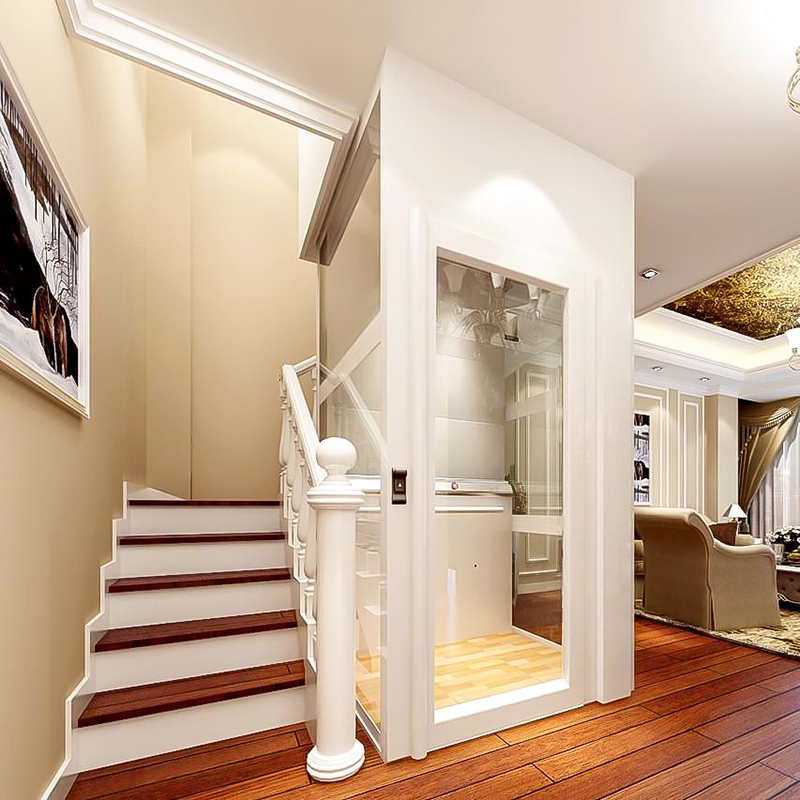
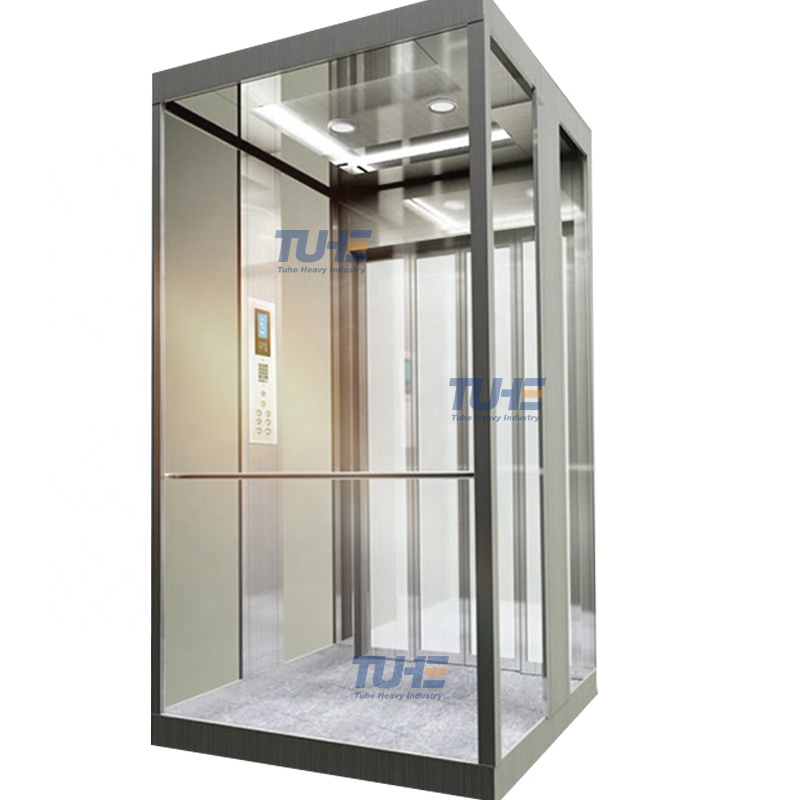
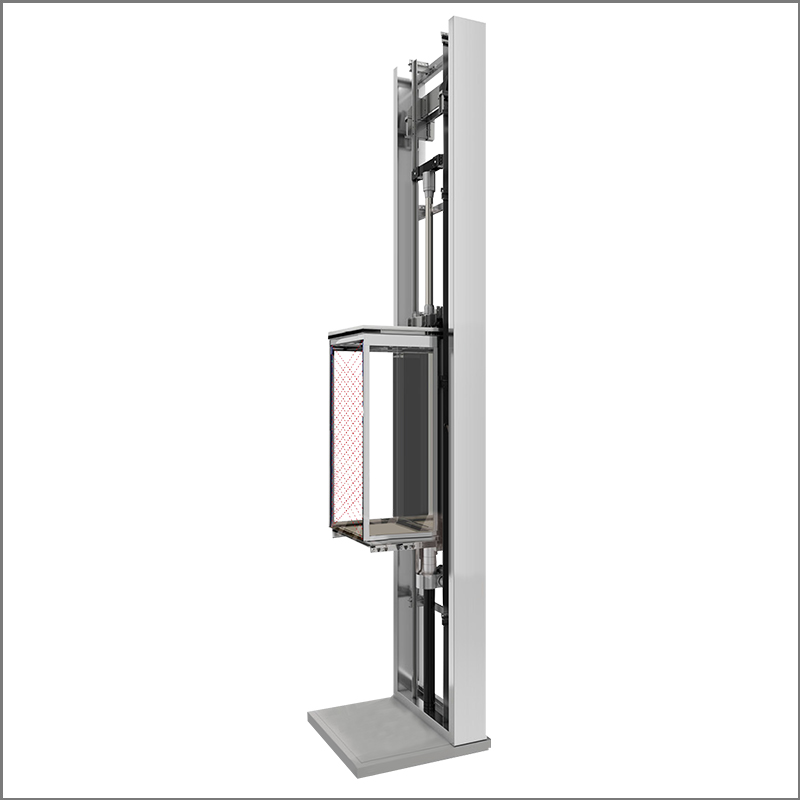
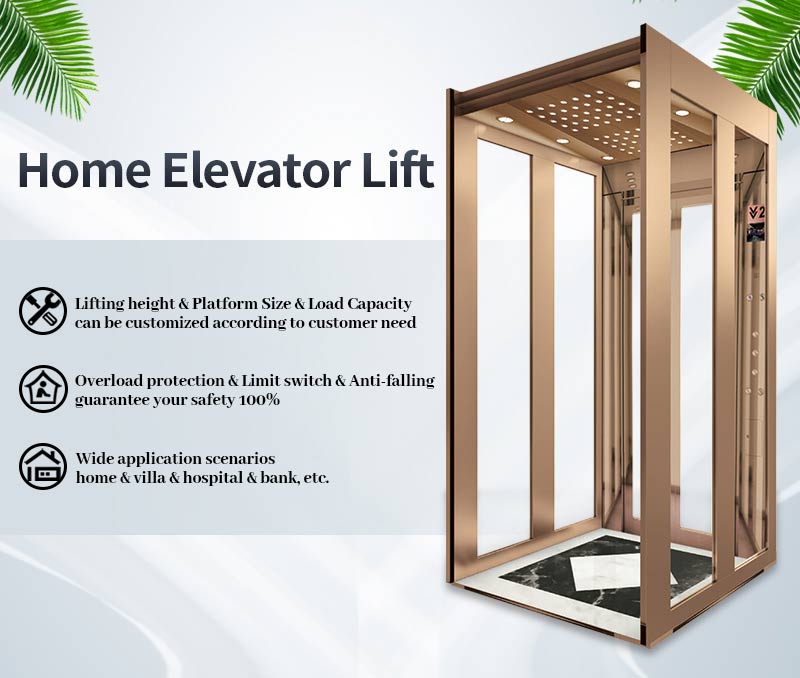
The electric home lift elevator lift height can be 1-12m,such two floors,three floors,three floors,max four floors,load capacity can be 300kg or 400kg.The platform size can be made as the space or hole size,It use hydraulic cylinders and steel chain system,PLC control,and silent motor with buffer offers passengers smooth and comfortable transportation and different safety devices to remove every hiding risk


Home Elevator Lift

TUHE Series Indoor home electric elevator Lifts are made with aluminum alloy guiderails which is lighter and more stable.

 No welding working, all parts can be assembled easily. Can be used indoors or outdoors and never rust because of 

its speical material. Looks more beautiful then traditional steel plate
cost-of-installing-lift-in-house.jpg

A hydraulic home passenger electric lift is one of the most practical and widely used vertical transportation solutions for low-rise residential and light commercial buildings. Designed to carry passengers safely and smoothly between floors, this type of elevator is especially popular in villas, duplex homes, small apartment buildings, and mixed indoor-outdoor installations.

With a typical load capacity of 400kg, it can comfortably transport 2–5 passengers along with wheelchairs or light household items. Compared with traction or screw-driven systems, hydraulic elevators are known for their strong lifting power, simple structure, and relatively lower installation cost—especially in 2–4 story buildings.

This article provides a complete SEO-optimized guide to hydraulic home passenger electric lifts, including working principles, technical specifications, pricing structure, installation considerations, advantages, disadvantages, and a detailed competitor analysis to help buyers make an informed decision.


What Is a Hydraulic Home Passenger Electric Lift?

A hydraulic home passenger electric lift is an elevator system that uses hydraulic oil pressure generated by an electric pump to move a piston, which lifts and lowers the elevator cabin.

In simple terms, it works like a controlled hydraulic jack, but designed for vertical passenger transportation.

This system is commonly used in:

  • Private villas and luxury homes

  • Duplex and multi-level apartments

  • Small commercial buildings

  • Indoor and outdoor installations

  • Accessibility upgrades for elderly users

Unlike traction elevators that rely on counterweights and steel ropes, hydraulic lifts push the cabin upward using fluid pressure, making them powerful and structurally flexible.


How a Hydraulic Elevator Works

A hydraulic passenger elevator operates through four main components:

  1. Electric motor pump unit

  2. Hydraulic cylinder (piston system)

  3. Control valve system

  4. Elevator cabin and guide rails

Working Process

  • The electric motor drives the hydraulic pump

  • Hydraulic oil is sent into the cylinder

  • The piston extends upward, lifting the cabin

  • To descend, a valve releases oil back into the tank

  • Gravity lowers the cabin smoothly and safely

This system provides stable lifting force even under heavy loads, making it ideal for residential use where safety and simplicity are priorities.


Key Specifications of 400kg Hydraulic Home Lift

A standard 400kg hydraulic home passenger elevator typically includes the following specifications:

ItemSpecification
Load capacity400kg (2–5 persons)
Speed0.3–0.6 m/s
Travel height2–15 meters (2–6 floors)
Power supply220V / 380V optional
Drive systemHydraulic piston system
InstallationIndoor / Outdoor available
Shaft typeMasonry / steel structure / glass shaft
Door typeManual / automatic sliding doors
Control systemMicrocomputer intelligent control

This specification makes it suitable for most low-rise residential buildings, especially villas and small apartments.

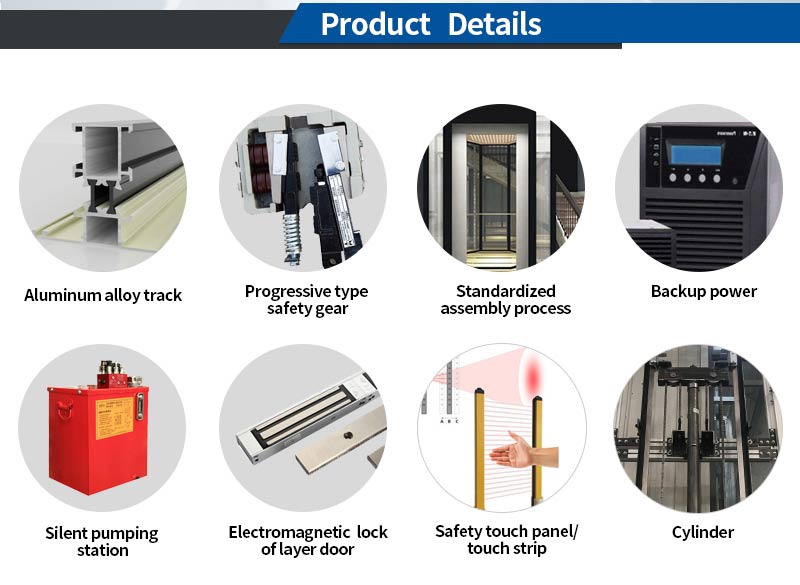
Aluminum alloy track  Progressive type safety gear  Standardized assembly process  Backup power

Silent pumping station  Electromagnetic lock of layer door  Safety touch panel/touch strip  Cylinder
best-lift-for-home.jpg

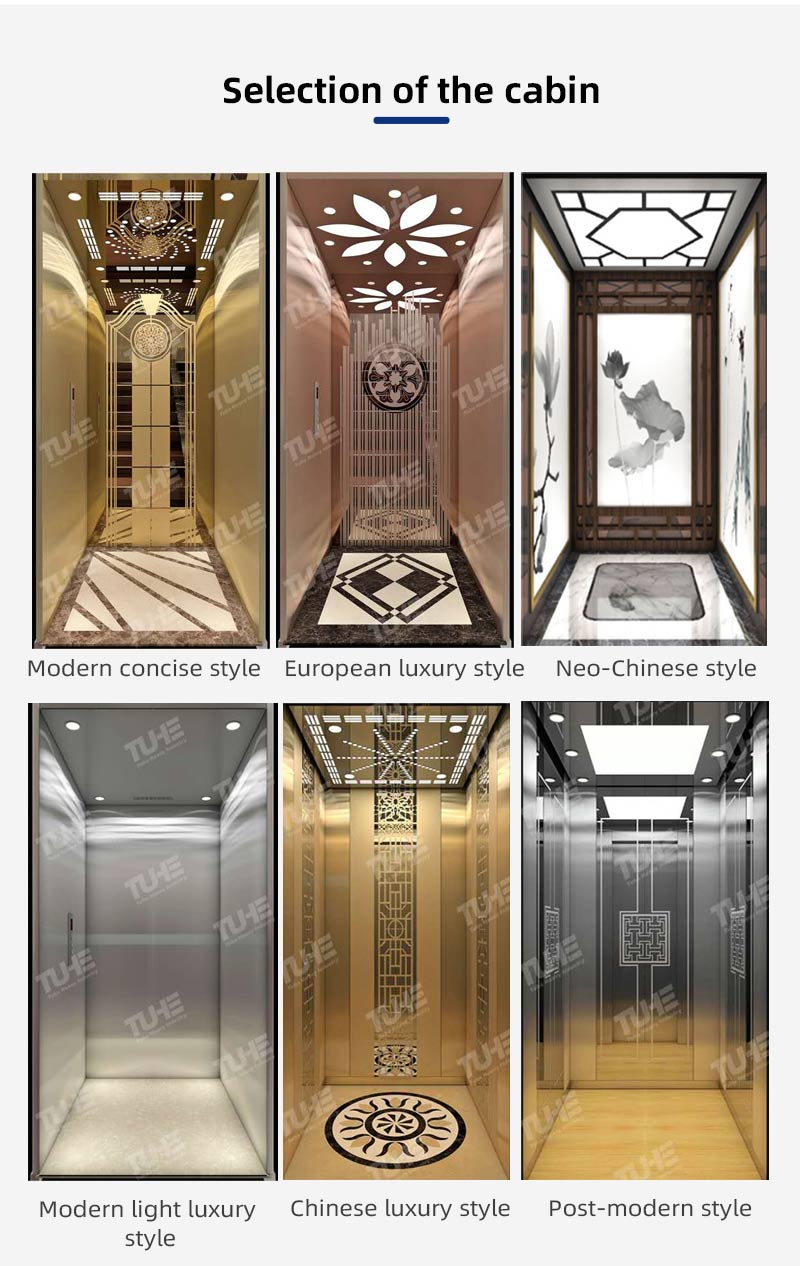
Selection Of The Cabin

in-home-elevator-lift.jpg

Elevator Floor Tiles

exterior-residential-elevator.jpg

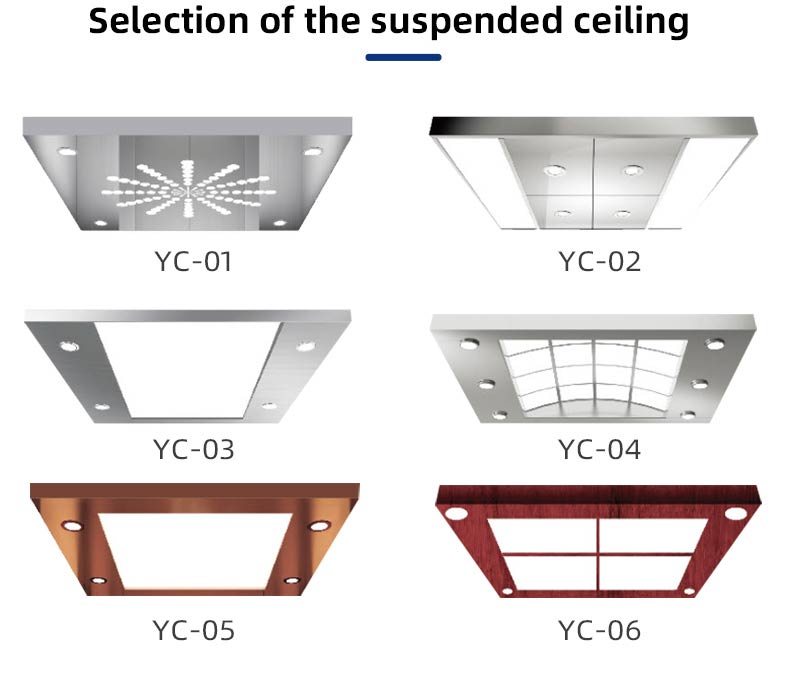
Selection Of The Suspended Ceiling

lift-cost-for-4-floors.jpg

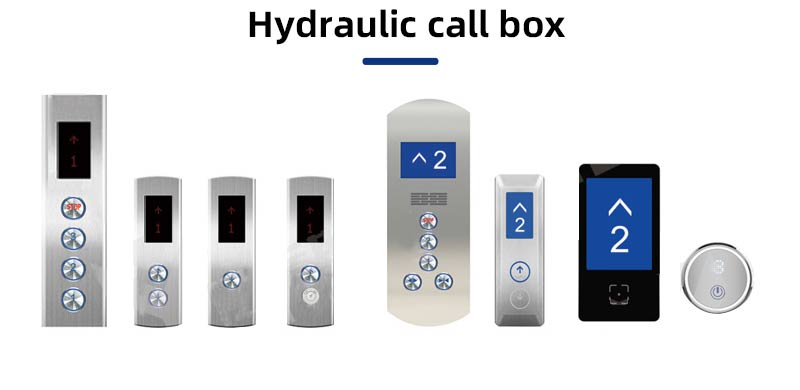
Hydraulic Call Box

cost-of-installing-elevator-in-home.jpg


Indoor vs Outdoor Installation

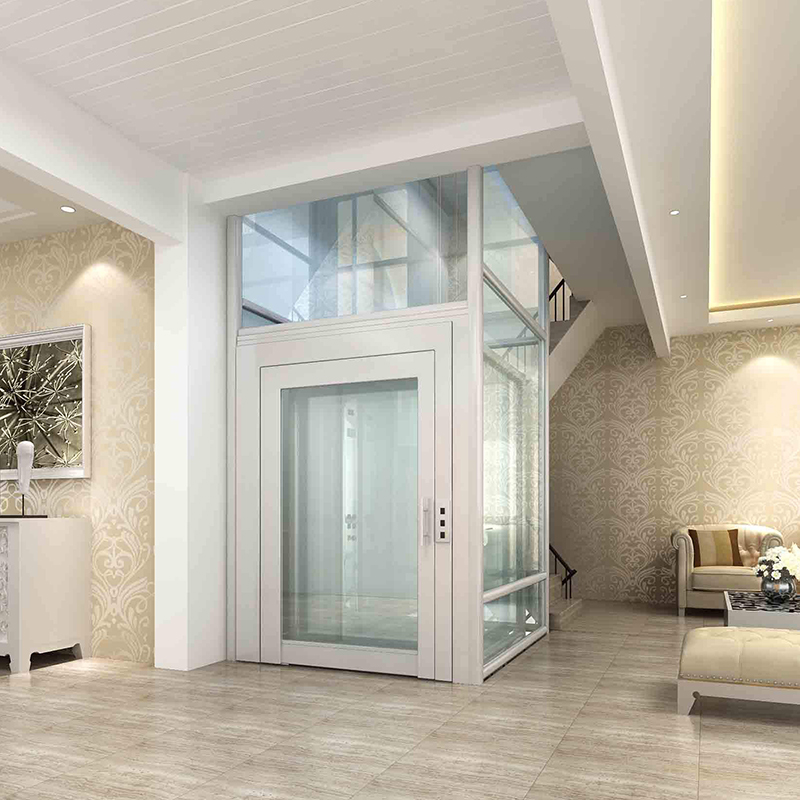
One of the biggest advantages of hydraulic lifts is their flexibility in installation environments.

Indoor Installation

Indoor hydraulic elevators are commonly installed in:

  • Living rooms

  • Stairwell shafts

  • Central villa structures

Advantages:

  • Better protection from weather

  • Lower maintenance cost

  • More design flexibility

Outdoor Installation

Outdoor hydraulic elevators are installed near:

  • Building facades

  • Garden entrances

  • Balcony access points

Advantages:

  • No need for internal structural changes

  • Suitable for retrofitting existing buildings

  • Saves indoor space

Outdoor versions require:

  • Anti-rust steel structure

  • Waterproof electrical systems

  • UV-resistant coating

  • Weatherproof cabin design

Without these upgrades, even a well-built elevator can age faster than expected under sun and rain exposure.


Hydraulic Home Elevator Price Range (400kg Model)

The price of a hydraulic home passenger electric lift depends on configuration, travel height, customization level, and installation complexity.

Typical Price Range:

  • Basic model: USD 3,800 – USD 8,500

  • Standard residential model: USD 5,000 – USD 12,000

  • Premium glass / custom model: USD 10,000 – USD 18,000+

Cost Breakdown Factors:

  • Number of floors

  • Cabin material (steel vs glass)

  • Door automation system

  • Shaft construction

  • Indoor vs outdoor installation

  • Safety upgrades

Hydraulic systems are often chosen because they provide one of the lowest entry costs for home elevator ownership.


Advantages of Hydraulic Home Passenger Lifts

Hydraulic elevators remain popular for several strong reasons:

1. Strong Load Capacity

Even compact models can easily handle 400kg to 1000kg, making them suitable for families and light goods transport.

2. Lower Initial Cost

Compared to traction elevators, hydraulic systems typically require less upfront investment.

3. Smooth and Stable Operation

Hydraulic pressure ensures smooth acceleration and deceleration, reducing discomfort during travel.

4. Flexible Installation

They do not always require a machine room, making them ideal for retrofitting existing buildings.

5. High Safety Performance

In case of power failure, controlled descent systems ensure safe evacuation.


Disadvantages of Hydraulic Elevators

Despite their advantages, hydraulic systems also have limitations:

1. Higher Energy Consumption

Hydraulic pumps require continuous energy during upward movement.

2. Slower Speed

Compared to traction elevators, hydraulic lifts are generally slower.

3. Maintenance Requirements

Hydraulic oil systems require periodic inspection and potential replacement.

4. Limited Height Range

Best performance is typically within 2–6 floors.

These limitations make hydraulic systems less suitable for mid-rise or high-rise buildings.


Competitor Analysis: Hydraulic vs Other Elevator Systems

To understand where hydraulic elevators stand in the market, it is important to compare them with other major technologies.


1. Hydraulic vs Traction Elevators

FeatureHydraulicTraction
CostLowerHigher
SpeedSlowerFaster
Energy efficiencyMediumHigh
MaintenanceMediumLow
Ideal floors2–42–6+

Traction elevators are more efficient for taller buildings, but hydraulic systems are more budget-friendly for low-rise homes.


2. Hydraulic vs Screw-Driven Elevators

FeatureHydraulicScrew-Driven
SmoothnessHighMedium
Noise levelLowMedium
Installation spaceLargerSmaller
MaintenanceMediumLow

Screw-driven systems are more compact, but hydraulic elevators provide better comfort and load capacity.


3. Hydraulic vs Vacuum Elevators

FeatureHydraulicVacuum
TechnologyTraditionalAir pressure
AppearanceFlexible designFuturistic glass tube
CostLowerHigher
CapacityHigherLower

Vacuum elevators are visually impressive but significantly more expensive and limited in load capacity.


Application Scenarios

Hydraulic home passenger lifts are widely used in:

  • Private villas and luxury homes

  • Elderly accessibility improvements

  • Small apartment buildings

  • Garden-to-floor access systems

  • Clinics and small hospitals

  • Retail shops and boutique hotels

Their versatility makes them one of the most widely adopted residential elevator solutions globally.


Installation Requirements

Installing a hydraulic home elevator requires careful planning:

  • Concrete pit or shallow pit design

  • Load-bearing shaft structure

  • Electrical power connection (220V/380V)

  • Ventilation space for hydraulic unit

  • Safety clearance at top floor

Outdoor installations require additional waterproofing and corrosion protection.


Maintenance and Operating Costs

Annual maintenance costs are relatively moderate:

  • Residential use: USD 300 – USD 1,200 per year

  • Commercial use: USD 800 – USD 2,500 per year

Maintenance includes:

  • Hydraulic oil inspection

  • Pump system check

  • Safety valve testing

  • Door mechanism lubrication

  • Electrical control diagnostics

Regular maintenance significantly extends system lifespan, often beyond 15–20 years.


Who Should Choose a Hydraulic Home Elevator?

A hydraulic 400kg passenger lift is ideal for:

  • Homeowners seeking affordable elevator solutions

  • Villas with 2–4 floors

  • Buildings requiring strong load capacity

  • Projects with flexible installation conditions

  • Users prioritizing safety and stability over speed

It may not be ideal for:

  • High-rise buildings above 6 floors

  • Projects requiring ultra-low energy consumption

  • High-speed commercial passenger transport


Final Thoughts

A hydraulic home passenger electric lift building 400kg indoor outdoor elevator remains one of the most cost-effective and reliable solutions for residential vertical transportation.

It offers:

  • Strong lifting capacity

  • Stable performance

  • Flexible installation options

  • Affordable entry cost

  • Safe operation for family use

While it may not match traction elevators in speed or energy efficiency, it provides excellent value for low-rise buildings where practicality and budget matter most.

For homeowners building or upgrading villas and duplex properties, hydraulic elevators continue to be one of the smartest and most balanced choices in the global home elevator market.


Send a Message

If you want to ask anything just fill in the form below and send us.

Name: Chester C.        time:2021-11-17 15:13:27
These Hydraulic Home Passenger Electric Lift Building 400kg Indoor Outdoor Elevator are reasonably priced, high-quality, and fast-delivered. I am very satisfied

Write a review

Featured Products

Similar products

New Products

Latest Released Products