


What Is a Hydraulic Vertical Electric Disabled Wheelchair Home Elevator?
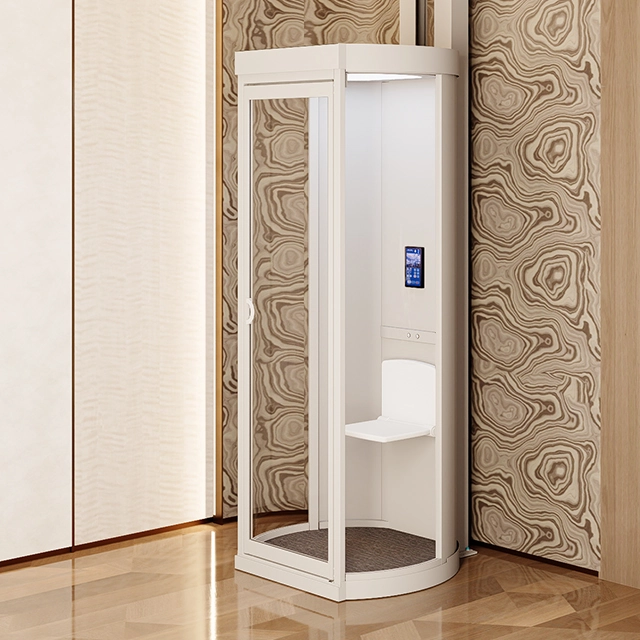
A Hydraulic vertical electric disabled wheelchair home elevator is an accessibility lifting system designed to help wheelchair users, elderly people, and people with limited mobility move safely between different levels of a residential building. Unlike traditional stair lifts that travel along the staircase, a vertical wheelchair lift moves straight upward and downward, providing a more comfortable and practical solution for homes, villas, apartments, and public accessibility areas.
This type of hydraulic wheelchair lift for home combines hydraulic power technology, electric control systems, and safety protection devices to create a compact vertical transportation solution. It can be installed indoors or outdoors and usually requires less construction work compared with a traditional passenger elevator.
For homeowners who need a reliable mobility solution, a hydraulic vertical wheelchair elevator offers several advantages:
Easy wheelchair access without leaving the chair
Space-saving installation design
Smooth and quiet lifting operation
Lower construction requirements
High safety performance
Suitable for private residential applications
Compared with conventional elevators, home wheelchair lifts focus more on accessibility, convenience, and cost efficiency rather than high-speed transportation.
How Does a Hydraulic Wheelchair Lift for Home Work?
The working principle of a hydraulic vertical wheelchair elevator is based on hydraulic pressure conversion.
The main lifting process includes several steps:
1. Electric Motor Activates the Hydraulic Pump
When the user presses the control button, the electric motor starts the hydraulic pump. The pump transfers hydraulic oil from the reservoir into the hydraulic cylinder.
2. Hydraulic Oil Creates Lifting Force
As hydraulic oil enters the cylinder, pressure pushes the piston upward. The piston connects with the lifting platform structure, allowing the wheelchair platform to rise vertically.
The hydraulic system provides stable lifting force and ensures smooth movement even under heavy loads.
3. Controlled Vertical Movement
The elevator control system manages:
Starting speed
Lifting speed
Stopping position
Door or gate locking
Emergency operation
Advanced models use microprocessor control systems to improve accuracy and safety.
4. Hydraulic Oil Returns During Descent
When lowering, the hydraulic valve releases oil from the cylinder back into the tank. The platform descends slowly under controlled hydraulic pressure.
This design provides:
Smooth downward movement
Reduced vibration
Lower energy consumption
Reliable operation during frequent use

This Hydraulic Home Stair Wheelchair No Machine Room/No Pit/More Comfortable/ Lifetime Warranty
/Factory Direct Sale
Main Components and Accessories of Hydraulic Wheelchair Home Elevators
A complete hydraulic wheelchair lift system consists of multiple mechanical and electrical components.
1. Hydraulic Power Unit
The hydraulic power unit is the heart of the lifting system. It includes:
Hydraulic pump
Electric motor
Oil tank
Hydraulic valves
Pressure control system
It generates the power required to lift the wheelchair platform.
2. Hydraulic Cylinder
The hydraulic cylinder converts hydraulic pressure into mechanical movement.
High-quality cylinders provide:
Strong lifting capacity
Long service life
Stable operation
Low maintenance requirements
3. Wheelchair Platform
The platform is designed for wheelchair users and usually includes:
Anti-slip flooring
Safety edges
Wheelchair locking space
Foldable ramps
Common load capacities include:
250 kg
300 kg
400 kg
Customized capacity options
4. Control System
The intelligent control system allows users to operate the lift easily.
Typical controls include:
Platform buttons
Wall-mounted controls
Remote controls
Emergency stop buttons
Some advanced models support automatic leveling and smart diagnostic systems.
5. Safety Gates and Doors
Safety gates prevent accidental falls during operation.
Common designs include:
Manual safety gates
Automatic doors
Interlocked landing gates
The elevator will not operate unless all safety doors are properly closed.
6. Guide Rails and Supporting Structure
The guide rails ensure stable vertical movement.
They provide:
Accurate positioning
Reduced shaking
Increased structural strength
7. Emergency Battery System
Many hydraulic wheelchair lifts include backup power systems.
During a power failure, the emergency battery allows users to:
Lower the platform safely
Exit the lift
Avoid being trapped

Post Switch Control/Optional Parts-Rixed Ramp/Hydraulic Power Unit
The post switch is hierarchical controlling.Platform can be called at
each level of floor.Emergency stop;the lift can be stopped immediately
in case of any emergency.
Optional Parts-Rixed Ramp
There willbe a fixed ramp, for user easy coming in and out. In This way,
it no need dig a pit
Hydraulic Power Unit
The hydraulic power unit has incrediable features: small, compact structure, lightweight.highly efficent, great working pressure, reliable performance and no leaks

Make The Product
What Problems Does a Hydraulic Wheelchair Lift for Home Solve?
A hydraulic wheelchair elevator solves many mobility challenges faced by elderly people and wheelchair users.
1. Eliminates Stair Barriers
Stairs are one of the biggest obstacles inside multi-level homes.
A wheelchair user may struggle with:
Narrow staircases
Unsafe manual transfers
Caregiver assistance requirements
A vertical wheelchair lift allows independent movement between floors.
2. Improves Independence and Quality of Life
Traditional mobility assistance often requires another person's help.
A home wheelchair elevator provides:
Greater personal freedom
More privacy
Easier access to bedrooms, living areas, and gardens
Users can move around their homes more confidently.
3. Reduces Caregiver Pressure
Family members and caregivers often face difficulties lifting or pushing wheelchair users upstairs.
A hydraulic wheelchair lift reduces:
Physical workload
Risk of injury
Daily mobility challenges
4. Provides an Alternative to Expensive Home Renovation
Installing ramps may require:
Large outdoor space
Long construction distance
Structural modifications
A vertical wheelchair lift requires significantly less space and is suitable for compact residential environments.
Applications of Hydraulic Vertical Wheelchair Elevators
Hydraulic wheelchair home elevators are widely used in different environments.
Residential Homes and Villas
Private homeowners install wheelchair lifts for:
Elderly family members
Disabled residents
Long-term accessibility planning
They are especially popular in multi-story villas.
Apartments and Condominiums
Compact vertical lifts can improve accessibility in:
Apartment entrances
Duplex apartments
Shared residential buildings
Nursing Homes and Healthcare Facilities
Healthcare facilities use wheelchair lifts for:
Patient transportation
Elderly mobility assistance
Rehabilitation environments
Public Buildings
Applications include:
Schools
Churches
Libraries
Government buildings
Community centers
They help buildings meet accessibility requirements.
Outdoor Accessibility Solutions
Weather-resistant hydraulic wheelchair lifts can be installed for:
Garden access
Pool areas
Outdoor platforms
Building entrances

Hydraulic Wheelchair Lift vs Stair Lift: Key Differences
| Feature | Hydraulic Vertical Wheelchair Lift | Stair Lift |
|---|---|---|
| Movement | Vertical up and down | Along staircase |
| Wheelchair Transfer | No transfer required | Usually wheelchair transfer required |
| Space Requirement | Compact vertical space | Requires suitable staircase |
| Installation | Flexible location | Limited by stair design |
| User Comfort | Higher | Depends on staircase shape |
| Suitable Users | Wheelchair users, elderly | Mainly walking-impaired users |
For full-time wheelchair users, a vertical hydraulic lift is often a more practical solution than a stair lift.
Safety Standards and Protection Measures
Safety is the most important consideration when installing a wheelchair elevator at home.
A reliable hydraulic wheelchair lift should include multiple safety systems.
1. Anti-Falling Safety System
Hydraulic wheelchair lifts use:
Hydraulic locking valves
Mechanical safety brakes
Pressure control systems
These prevent uncontrolled descent.
2. Emergency Stop Function
An emergency stop button allows users to immediately stop operation during unexpected situations.
3. Safety Door Interlock
The lift will only operate when:
Gates are closed
Safety locks are activated
This prevents users from falling during movement.
4. Overload Protection
Load sensors monitor platform weight.
If the weight exceeds the rated capacity, the system prevents operation.
5. Emergency Lowering System
In case of:
Power failure
Electrical problems
Users can safely lower the platform using emergency controls.
6. Anti-Slip Platform Design
The wheelchair platform usually uses:
Textured aluminum plates
Anti-slip coatings
Safety edges
These improve wheelchair stability.
7. Regular Maintenance
Proper maintenance extends service life.
Recommended inspections include:
Hydraulic oil level checking
Electrical system inspection
Safety device testing
Mechanical component lubrication
Packing Details

Why Choose a Hydraulic Vertical Electric Wheelchair Home Elevator?
A hydraulic wheelchair lift offers a combination of accessibility, safety, and cost effectiveness.
Its main advantages include:
Reliable Hydraulic Performance
Hydraulic systems provide powerful and stable lifting performance.
Comfortable User Experience
Smooth acceleration and low-noise operation create a comfortable ride.
Flexible Installation
The compact structure allows installation in many residential environments.
Long Service Life
With proper maintenance, hydraulic lifts can provide many years of dependable operation.
Affordable Accessibility Solution
Compared with full passenger elevators, hydraulic wheelchair lifts require:
Lower investment
Less construction work
Reduced maintenance costs
Conclusion
A hydraulic vertical electric disabled wheelchair home elevator stair lift is an advanced accessibility solution that helps wheelchair users and elderly people overcome vertical mobility challenges. Through reliable hydraulic technology, intelligent electrical control, and comprehensive safety systems, it provides smooth, secure, and independent transportation between floors.
For residential buildings, villas, healthcare facilities, and public spaces, a hydraulic wheelchair lift for home is an effective way to improve accessibility while reducing renovation costs and caregiver pressure.
With growing demand for aging-friendly homes and barrier-free environments, hydraulic vertical wheelchair elevators are becoming an important part of modern accessible living solutions.
Reviews
⭐⭐⭐⭐⭐
Michael Thompson – United States
Verified Purchase
We purchased this hydraulic wheelchair lift for our two-story home for my father. The installation process was easier than expected, and the lifting operation is very smooth and quiet. The safety features give our family great confidence. The quality is much better than other home accessibility solutions we checked.
⭐⭐⭐⭐⭐
Sarah Williams – United Kingdom
Verified Purchase
This vertical wheelchair elevator has completely changed the way my mother moves around the house. She can now access the upper floor independently without asking for help. The platform is strong, stable, and very comfortable for a wheelchair user.
⭐⭐⭐⭐
David Miller – Canada
Verified Purchase
Good hydraulic wheelchair lift with reliable performance. The structure feels solid, and the control system is easy to operate. Delivery took some time, but the product quality and customer service were worth waiting for.
⭐⭐⭐⭐⭐
Emma Rodriguez – Australia
Verified Purchase
We installed this home wheelchair elevator at our villa entrance. The hydraulic system works smoothly even with a heavy electric wheelchair. The anti-slip platform and emergency lowering function are excellent safety features.
⭐⭐⭐⭐⭐
Robert Anderson – Germany
Verified Purchase
As a contractor, I have installed several accessibility lifts, and this model offers very good value. The design is compact, installation requirements are reasonable, and the components are well manufactured. My client is very satisfied.
⭐⭐⭐⭐
Linda Brown – United States
Verified Purchase
The wheelchair lift solved a major problem in our home. Before installation, moving between floors was very difficult for my husband. Now he can use the lift safely every day. The operation noise is low and the platform movement is stable.
⭐⭐⭐⭐⭐
James Wilson – New Zealand
Verified Purchase
Excellent product for elderly mobility support. We compared several stair lift options, but this hydraulic vertical lift was a better choice because my grandmother does not need to transfer from her wheelchair. Highly recommended.
⭐⭐⭐⭐
Olivia Martin – France
Verified Purchase
The lift has a modern appearance and fits well with our house design. The hydraulic lifting system feels reliable, and the safety gate design provides extra protection. A good accessibility solution for residential applications.
⭐⭐⭐⭐⭐
Daniel Lee – Singapore
Verified Purchase
We ordered this wheelchair home elevator for a private residence project. The factory communication was professional, and customization options were helpful. The lift runs smoothly and meets our expectations for safety, durability, and comfort.
503.webp)


222.webp)